North Africa’s Economy

Algeria-France Trade Drops 23% with Import and Energy Curbs
Trade between Algeria and France fell by roughly 23% in the year ending June 2026, dropping below €9 billion as import controls and political tensions reshape the relationship. Algeria’s tighter oversight of foreign purchases has sharply reduced French exports—particularly in food, automotive equipment, and industrial goods—while energy-driven exports to France also declined. The figures point to a broader shift as Algeria diversifies suppliers and reduces reliance on its former primary trading partner.
OCP’s Sulfur Shock Exposes the Weak Link in Morocco’s Fertilizer Empire
How a company thousands of miles from the Hormuz is feeling the squeeze as disruptions in the strait push up fertilizer, fuel, and freight costs across global supply chains. A distant geopolitical shock became a direct hit to OCP’s sulfur supplies and margins.
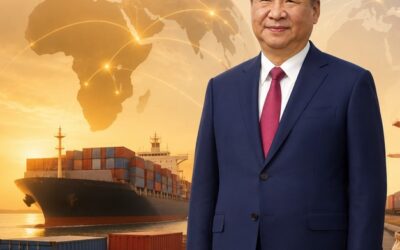
Egypt joins China’s tariff-free initiative as Beijing opens its market to nearly all of Africa
Egypt joined China’s expanded zero-tariff scheme on 1 May 2026, gaining duty-free access to the Chinese market alongside 52 other African countries with diplomatic ties to Beijing. The move eliminates tariffs that previously ran from 8 to 30 percent on key Egyptian exports, though the arrangement is a two-year preferential window through April 2028 rather than a permanent deal, and non-tariff barriers like rules of origin and phytosanitary standards still apply.
Egypt Clears $6.1 Billion Oil and Gas Arrears, Energy Sector Looks to Rebuild Investor Trust
Egypt has fully paid the $6.1 billion in arrears it owed foreign oil and gas partners, ending a multi-year backlog tied to its foreign-currency crunch. With the debt paid down to zero by mid-2026, officials are pairing the settlement with new investment incentives and a push to revive onshore drilling, aiming to reverse years of declining crude output.
Algeria’s Northern Grain Farmers Push Back Against the Government’s Saharan Wheat Strategy
Northern Algerian farmers are pushing back on the government’s Saharan wheat strategy after equipment shortages disrupted this summer’s record harvest, according to local media.
Energy: Africa’s LNG surging to global leverage
Africa is no longer just a fallback option in liquefied natural gas. With Nigeria boosting capacity, Algeria reinforcing its role as a core supplier to Europe, and Mozambique building one of the world’s biggest LNG hubs, the continent is turning into a strategic supplier for Europe and Asia, offering both new volumes and shorter, more flexible delivery routes.
Morocco Becomes Africa’s Top-Ranked Industrial Economy
Morocco has become Africa’s leading industrial economy, followed by South Africa and Egypt. The African Development Bank (AfDB) ranked Tunisia fourth, reinforcing North Africa’s position as one of the continent’s principal industrial regions. The AfDB’s 2025 Africa Industrialization Index placed Morocco ahead of South Africa as Africa’s highest-ranked industrial economy.
Algerian Gas Exports to Europe Rise for Fourth Consecutive Month
Algeria continued to expand natural gas exports to Europe during the first four months of 2026, benefiting from steady pipeline deliveries to key markets including Spain and Italy. While Europe’s gas market continues shifting toward LNG imports, Algeria has maintained its position as one of the continent’s leading pipeline suppliers through a combination of established infrastructure, long-term contracts, and growing LNG activity.
Egypt Cuts Nighttime Economy to Reduce Electricity Consumption
Egypt has imposed a nationwide 9 p.m. curfew on shops, restaurants, and entertainment venues to reduce electricity consumption amid rising energy costs and supply disruptions linked to the war in Iran.
Global Energy Markets Jolt as Iran War Disrupts Gulf Oil Flows
Oil prices surged toward $119 per barrel as the conflict involving Iran disrupted tanker traffic through the Persian Gulf, forcing several Gulf producers to reduce output and pushing governments to consider emergency energy measures. Saudi Arabia joined Iraq, Kuwait, Qatar, and the UAE in cutting production as shipments stalled and storage capacity tightened. With hundreds of tankers idling near the Strait of Hormuz and major shipping insurers suspending coverage, the crisis is rapidly evolving from a regional military conflict into a global energy shock.