FOCUS ON
ALGERIA
Click here to sign up for free weekly email
Email recaps are sent every Thursdays.
Sign up today
Algeria-France Trade Drops 23% with Import and Energy Curbs
Trade between Algeria and France fell by roughly 23% in the year ending June 2026, dropping below €9 billion as import controls and political tensions reshape the relationship. Algeria’s tighter oversight of foreign purchases has sharply reduced French exports—particularly in food, automotive equipment, and industrial goods—while energy-driven exports to France also declined. The figures point to a broader shift as Algeria diversifies suppliers and reduces reliance on its former primary trading partner.
Algeria is Experiencing a Severe Wildfire Crisis
Algeria has recorded 1,619 fires since a heat wave began July 8, including 538 forest fires and six deaths, with 53 blazes still active as of July 22. Officials are calling the outbreaks “sixth-generation” fires — fast-moving and unusually difficult to control.
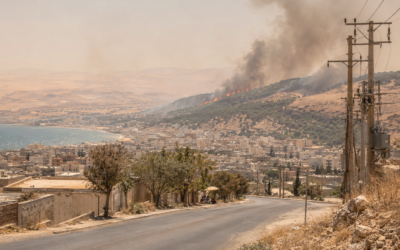
Summer in North Africa: Heat, Fire, and Failing Power Grids
Extreme heat is gripping Morocco, Algeria, Tunisia, Egypt, and Libya at once, with wildfires spreading across Algeria and power grids buckling under demand in Egypt. Regional meteorologists say the pattern reflects a longer-term warming trend rather than a single bad summer.
Behind the Algeria-Mali Rapprochement: Security, Trade and a Sahel Reorder
A tactical thaw in the Sahel is reshaping Algeria’s ties with Mali, but the deeper conflict over northern Mali remains unresolved.
Algeria: New Record for Electricity Demand Amid Brutal Heat Wave
Algeria has set a new record for electricity demand as a punishing heat wave drives temperatures close to 49°C and wildfires burn across multiple regions. The state utility Sonelgaz says power use climbed above 21,300 megawatts on July 13, continuing a steep, year‑over‑year rise in summer load on the grid.
North Africa and the Sahel on Alert Over Locust Upsurge
FAO monitoring shows Northwest Africa entering a new phase of desert locust activity, with Morocco facing the highest pressure and neighboring countries preparing for possible summer migrations toward Sahelian breeding zones.
Algeria’s Northern Grain Farmers Push Back Against the Government’s Saharan Wheat Strategy
Northern Algerian farmers are pushing back on the government’s Saharan wheat strategy after equipment shortages disrupted this summer’s record harvest, according to local media.
Energy: Africa’s LNG surging to global leverage
Africa is no longer just a fallback option in liquefied natural gas. With Nigeria boosting capacity, Algeria reinforcing its role as a core supplier to Europe, and Mozambique building one of the world’s biggest LNG hubs, the continent is turning into a strategic supplier for Europe and Asia, offering both new volumes and shorter, more flexible delivery routes.
Algerian Gas Exports to Europe Rise for Fourth Consecutive Month
Algeria continued to expand natural gas exports to Europe during the first four months of 2026, benefiting from steady pipeline deliveries to key markets including Spain and Italy. While Europe’s gas market continues shifting toward LNG imports, Algeria has maintained its position as one of the continent’s leading pipeline suppliers through a combination of established infrastructure, long-term contracts, and growing LNG activity.
North African Countries Among World’s Cheapest for Gasoline, Lead Global Rankings
North African countries currently rank among the cheapest places in the world to buy gasoline, according to international price data published in late April 2026. The global average pump price for gasoline stood at around $1.49 per liter, while several North African producers were charging less than half that level. Libya, Algeria and Egypt all sit among the most affordable markets globally — though two non-African countries, Venezuela and Iran, rank between Libya and the rest of the African group in the worldwide table.
Desert Locusts Stir Fresh Worries in North-West Africa
Small desert locust swarms recently detected along the western Sahara corridor have prompted stepped-up monitoring across parts of North and West Africa, where shifting rainfall can quickly turn quiet desert areas into launchpads for wider infestations.
Algeria and Niger Relaunch Trans-Saharan Gas Pipeline After Diplomatic Freeze
Algeria and Niger have ended months of strained relations and announced the operational launch of the Trans-Saharan Gas Pipeline, a 4,000-kilometer project linking Nigerian gas fields to European markets through Niger and Algeria. The move signals both a diplomatic reset and a renewed push to position North Africa as a strategic energy corridor.
Algeria and Niger Restore Ties, Signaling a Shift in Sahel Diplomacy
Algeria and Niger restored diplomatic relations after nearly a year of tensions triggered by regional security disputes. The return of ambassadors and a planned high-level visit signal renewed cooperation centered on energy development, border security, and regional trade. The rapprochement highlights the strategic importance of the Trans-Saharan Gas Pipeline and reflects broader efforts to stabilize partnerships across the Sahel amid ongoing security and economic pressures.
French Interior Minister Renews Dialogue with Algeria
French Interior Minister Laurent Nunez’s announced visit to Algiers marks a formal attempt to restart diplomatic engagement between France and Algeria after a period of strained relations. Discussions are expected to focus on security cooperation in the Sahel, the handling of deportation orders affecting Algerian nationals, and the case of imprisoned journalist Christophe Gleize. The visit takes place amid shifting regional dynamics, including Algeria’s growing role in Sahel security arrangements and recent signals of economic and political goodwill between the two countries.
French Prosecutors Target Ex-Algerian Minister in Corruption Case Tied to Sonatrach and the ICJ
French prosecutors are investigating former Algerian justice minister and ex-International Court of Justice president Mohammed Bedjaoui over alleged tax fraud, money laundering, and unexplained wealth running into the millions. The case reaches from a controversial ICJ ruling in a Qatar–Bahrain maritime dispute to high-end property deals in France and corruption scandals around Algeria’s Sonatrach, raising broader questions about how international justice, energy contracts, and opaque financial networks can intersect.
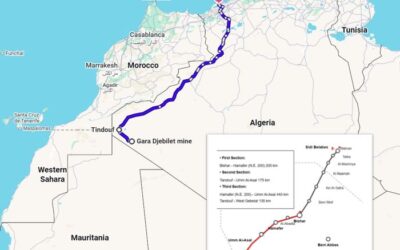
Algeria’s 2,000‑Kilometer Mining Corridor: Rail, Iron Ore, and the Road to the Mediterranean
Algeria’s new rail link between Béchar and the giant Gara Djebilet iron ore deposit in Tindouf is designed as far more than a transport upgrade. By tying the remote southwest directly into Oran and other Mediterranean ports, the single‑track, heavy‑freight line is meant to anchor a 2,000‑kilometer economic corridor that can move millions of tons of iron ore and processed steel products while opening up one of the country’s most isolated regions to passengers, jobs, and investment.
French Law Eases Path to Nuclear Test Compensation for Algerian and Polynesian Victims
France’s National Assembly has unanimously approved a reform that makes it easier for people exposed to French nuclear tests in Algeria and Polynesia to obtain compensation, replacing an onerous case‑by‑case causality test with a presumption of exposure for those who were present in designated test zones and later developed recognized radiation‑linked illnesses.
UAE Regional Influence Under Strain Amid Sudan, Libya, Yemen, and Maghreb Frictions
Across Sudan, Libya, Yemen, and the Maghreb, the United Arab Emirates is encountering rising diplomatic friction as regional powers push back against policies seen as destabilizing or misaligned with their security interests. The UAE is facing growing tensions involving Egypt, Saudi Arabia, and Algeria, while sustained scrutiny over Sudan and Yemen is reshaping perceptions of Emirati influence.
Algeria Expands Core Infrastructure Investment Across Core Sectors
Algeria is scaling up investment in core infrastructure as part of a long-term strategy spanning transport, water security, energy, and mining. Backed by multi-billion-dollar allocations in the 2026 state budget, the program targets roads, railways, ports, airports, and large-scale hydraulic projects, alongside major mining developments linked to new logistics corridors.
Authorities frame the effort as both an economic and social priority, aimed at improving service reliability, supporting industrial growth, and reducing regional disparities, particularly in remote southern areas. Several projects rank among the largest of their kind in Africa and reflect a continued reliance on state-led development to address structural challenges
Algerian Supporters Face Charges in Morocco
At least three Algerian nationals remain in custody in Morocco after traveling to the country to support their national football team during the 2025 Africa Cup of Nations. The detentions stem from separate incidents that Moroccan authorities say violated public order and criminal law during or around match days.
Connect
You can find us on a few social media platforms. Feel free to connect with us there.