
The Political Page
Gulf War Escalates as Energy Markets Reel and Regional Fronts Multiply
The war involving Iran, Israel, and the United States is expanding across the Middle East, with growing consequences for global energy markets and regional security. Disruptions in the Strait of Hormuz and attacks on Gulf energy infrastructure have pushed oil prices higher and raised concerns about supply stability. As missile exchanges intensify and fighting spreads to Lebanon, world leaders are scrambling to assess the economic fallout and prevent further escalation.
Algeria and Niger Relaunch Trans-Saharan Gas Pipeline After Diplomatic Freeze
Algeria and Niger have ended months of strained relations and announced the operational launch of the Trans-Saharan Gas Pipeline, a 4,000-kilometer project linking Nigerian gas fields to European markets through Niger and Algeria. The move signals both a diplomatic reset and a renewed push to position North Africa as a strategic energy corridor.
Tunisia: Arrest of Opposition Figure Olfa Hamdi Raises Concerns
A Tunisian civil liberties organization has called for transparency and the release of opposition party leader Olfa Hamdi following reports of her detention. With no formal statement issued by authorities several days after the alleged arrest, rights advocates say the silence raises concerns about due process and the state of political freedoms in Tunisia.
Algeria and Niger Restore Ties, Signaling a Shift in Sahel Diplomacy
Algeria and Niger restored diplomatic relations after nearly a year of tensions triggered by regional security disputes. The return of ambassadors and a planned high-level visit signal renewed cooperation centered on energy development, border security, and regional trade. The rapprochement highlights the strategic importance of the Trans-Saharan Gas Pipeline and reflects broader efforts to stabilize partnerships across the Sahel amid ongoing security and economic pressures.
MORE ARTICLES
French Interior Minister Renews Dialogue with Algeria
French Interior Minister Laurent Nunez’s announced visit to Algiers marks a formal attempt to restart diplomatic engagement between France and Algeria after a period of strained relations. Discussions are expected to focus on security cooperation in the Sahel, the handling of deportation orders affecting Algerian nationals, and the case of imprisoned journalist Christophe Gleize. The visit takes place amid shifting regional dynamics, including Algeria’s growing role in Sahel security arrangements and recent signals of economic and political goodwill between the two countries.
Egypt Names New Defense Minister in Reshuffle Amid Regional Strain
Egypt’s latest cabinet reshuffle brought a new defense minister, revived the Information Ministry, and changed multiple economic and service portfolios. From Cairo’s standpoint, the move is designed to tighten execution, stabilize institutions, and preserve strategic flexibility as Egypt manages economic strain and a more volatile regional environment.
Morocco Allegations Reignite Spain’s Pegasus Debate
New reporting has revived scrutiny of the 2021 Pegasus intrusion targeting Prime Minister Pedro Sánchez’s phone, focusing on the Ceuta visit as a potential operational opening and renewing debate over attribution, accountability, and Spain’s wider relationship with Morocco, including questions raised by Morocco’s growing security ties with Israel.
Egypt and Turkey Test Pragmatic Rapprochement After Years of Estrangement
Egypt and Turkey are cautiously rebuilding relations after years of estrangement, driven by shifting regional dynamics and converging state interests. Recent defense-industrial cooperation and renewed diplomatic engagement point to a pragmatic recalibration rather than full political reconciliation, as both countries test whether managed coordination can replace prolonged rivalry.
Egypt Deepens Defense-Industrial Engagement With China
Egypt is advancing defense-industrial cooperation with China through localized production, joint exercises, and expanded military training links. Developments during 2025 point to a pragmatic effort by Cairo to diversify suppliers and strengthen domestic manufacturing capacity, while Beijing cautiously broadens engagement beyond conventional arms sales.
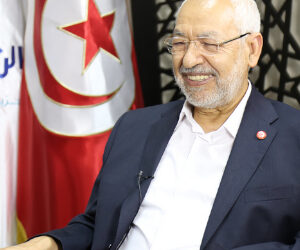
Tunisia Appeals Court Extends Rached Ghannouchi’s Prison Term by 20 Years
Rached Ghannouchi, the 84-year-old leader of Tunisia’s Ennahda party, has had his prison sentence increased to 20 years in a case known as “Conspiracy 2,” pushing his cumulative jail time from multiple convictions to more than four decades. His defense team says he will not seek a final appeal, denouncing the charges as politically driven and warning that the ruling deepens Tunisia’s crackdown on organized opposition.

With Saif al-Islam Killed, Gaddafi Dynasty’s Political Ambitions All But Collapse
Saif al‑Islam Gaddafi, the son of Libya’s longtime ruler Muammar Gaddafi and a former presidential candidate, has been killed in the western town of Zintan by armed attackers. His death, confirmed by family and advisers, raises fresh questions about Libya’s fragile political balance.
Morocco Reassures Public on King Mohammed VI’s Mechanical Lumbosciatica
Morocco’s Royal Palace has confirmed that King Mohammed VI is being treated for mechanical lumbosciatica, a lower‑back condition linked to muscle contracture, but has stressed that his situation is not considered serious. Doctors have prescribed medication and rest to ease the pain, and official statements have emphasized continuity of state affairs while reassuring the public that the 61‑year‑old monarch’s health problem is localized and manageable.

Stay Up to Date With The Latest News & Updates
Access Premium Content
Subrscribe to The North Africa Journal and get access to analysis going beyond news.
Join Our Newsletter
Receive a free weekly newsletter to your email. Sent every Thursday.
Follow Us
We are in many social media platforms. Follow us here.