


Cumulative cases of infection of the Covid-19 virus as of 10 June 2020 in Algeria reached 10,484, an increase of 117 from the previous day. The cumulative death toll is 724. Below are two interesting charts.
Death toll from Covid-19 in Algeria:

Maghreb Edition
Cumulative cases of infection of the Covid-19 virus as of 10 June 2020 in Algeria reached 10,484, an increase of 117 from the previous day. The cumulative death toll is 724. Below are two interesting charts.


A conversation with Dr. Kate Schecter, President and CEO of World Neighbors, on how community-led development works in practice across the Global South.
Subscribe to Urgent Notifications and Newsletter
Trade between Algeria and France fell by roughly 23% in the year ending June 2026, dropping below €9 billion as import controls and political tensions reshape the relationship. Algeria’s tighter oversight of foreign purchases has sharply reduced French exports—particularly in food, automotive equipment, and industrial goods—while energy-driven exports to France also declined. The figures point to a broader shift as Algeria diversifies suppliers and reduces reliance on its former primary trading partner.
Algeria has recorded 1,619 fires since a heat wave began July 8, including 538 forest fires and six deaths, with 53 blazes still active as of July 22. Officials are calling the outbreaks “sixth-generation” fires — fast-moving and unusually difficult to control.
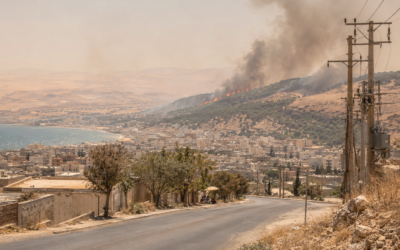
Extreme heat is gripping Morocco, Algeria, Tunisia, Egypt, and Libya at once, with wildfires spreading across Algeria and power grids buckling under demand in Egypt. Regional meteorologists say the pattern reflects a longer-term warming trend rather than a single bad summer.
