



Egypt appears to have shifted from diplomatic broker to covert combatant in Sudan’s war, in what may be the center of...
Briefs Bound
Flashpoints: In Southern Chad, A Local Clash Reveals Deeper Fragility
Clashes in southern Chad between government forces and a little‑known rebel movement offer a window into how local...
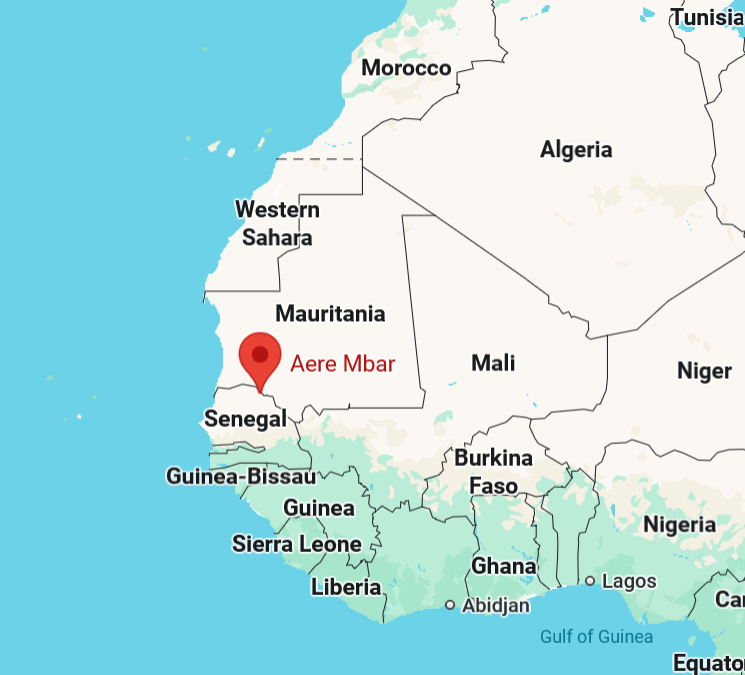
Local Conflicts: State-Imposed Land Pact Struggles to Calm Tensions in Brakna, Mauritania
Authorities in Mauritania’s Brakna region have brokered a fragile peace deal aimed at ending a violent land dispute...
Sahel: Mali warns ECOWAS against military action in Niger
Mali "will not stand idly by" if foreign governments intervene in neighouring Niger, Bamako's top diplomat warned the...

Sahel: Niger bans French aircraft from its airspace
Niger's military rulers have banned "French aircraft" from flying over the country's airspace, according to the Agency...

Sahel: French President makes pragmatic decision to step away from Niger
French withdrawals from Africa After Mali, Burkina Faso and the Central African Republic, France is being forced to...

Podcast: And Now the Environment is Major Factor of Instability in North Africa
As we reach the end of the third quarter 2023, about to enter the tail-end of the year, it is difficult to see a...
Mali: Tuaregs say they shot down two military planes, captured soldiers in intensifying conflict
An alliance of armed groups in northern Mali said it has taken several soldiers prisoner and killed a dozen others,...
Tunisia suffers hours-long power outage
A sudden power outage hit Tunisia Wednesday, causing a nationwide blackout for about three hours due to technical...
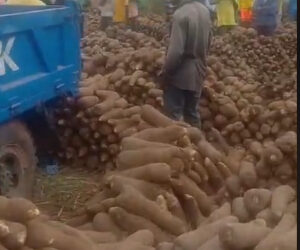
Niger and ECOWAS: The cost of collective punishment
Lines of hundreds of trucks stretch back many kilometres close to Benin's northern border with Niger, their cargo...

Libya flood: As death toll exceeds 3,300, tens of thousands of people are displaced
Libya's flood disaster, which killed thousands in the city of Derna, also displaced more than 43,000 people, the...

Tunisia’s foreign migrant problem
Thousands of migrants are living without proper shelter north of Tunisia's port city of Sfax after many were driven...

Tunisian island of Djerba gets added to UNESCO World Heritage list
UNESCO announced Monday it was adding the Tunisian resort island of Djerba to its list of World Heritage Sites because...
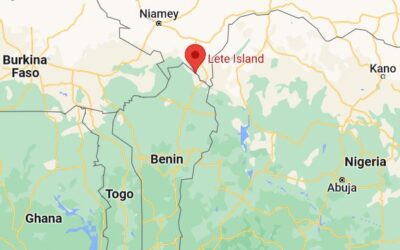
Sahel: Growing tension between Niger and Benin
Niger’s junta dispatched army reinforcements in Gaya, a town located on the border with Benin, some 300 km from...
Week after quake hit Morocco, survivors worry about dire hygiene conditions
By Anne-Sophie Labadie: In her earthquake-hit Moroccan town, Zina Mechghazzi has improvised a sink by placing a pink...
Libya: Entire families of Syrian migrants perished in flood
More than 100 Syrians, including entire families, died in flash flooding that killed thousands in Libya's eastern city...
France arrests journalist for reporting on alleged French targeting of civilians in Egypt
France was accused of an "unacceptable" attack on press freedom Tuesday after a journalist was arrested for reporting...
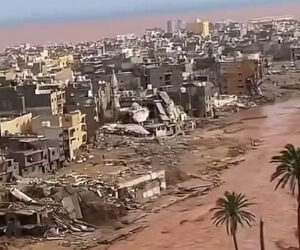
Libya: ‘Worse than war’: Flood trauma haunts survivors
By Fulya Ozerkan: Grief etched into her face, 15-year-old Ibrar struggled to find the words to describe her pain at...

Mali: Touareg group kills five army soldiers in Léré
An attack on two military camps in northern Mali claimed by armed rebel groups killed five soldiers, while 11 others...
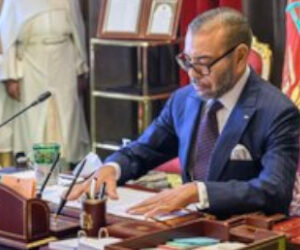
Morocco: How is King Mohammed VI Managing the Earthquake Crisis?
Could the earthquake be a defining moment for King Mohammed VI? So far, there have been mix signals about his...
Sahel: US military resumes surveillance flights over Niger
The United States has resumed surveillance flights over Niger that were halted in the wake of the military takeover...
Niger cancels 1,000 diplomatic passports from ousted regime
The new military rulers of Niger have cancelled more than 990 diplomatic passports held by nationals and foreigners...
Libya: The utter destruction of Derna
By Abdullah Doma: Rescuers sifted through mud and rubble Friday in their search for people missing from the...

Podcast: Libya’s Floods and Maghreb’s Leadership Deficit
Opinion by Arezki Daoud: The earthquake in #Morocco and the floods in #Libya should be an opportunity for "leaders" in...
Libya Floods: Latest Update
By Rim Taher: Flash flooding in east Libya caused by Storm Daniel tore through the coastal city of Derna, leaving...

Sahel: Army-Tuareg war reignites in north Mali
Opinion by Arezki Daoud: The military junta in Mali is now confronted with the realities of war. It is battling on...

Podcast: Understanding North Africa’s earthquakes, history and outlook
Understanding North Africa's Quakes, History and What to Expect

Libya: Death toll surges to 2,300 in historical flood
At least 2,300 people were killed in Libya and thousands more were reported missing after catastrophic flash floods...

Morocco: Race against time to find survivors 4 days after quake
Hopes dimmed on Tuesday in Morocco's search for survivors, four days after a powerful earthquake killed more than...

Morocco quake: How villagers feel abandoned
By Sahar Al Attar with Joshua Melvin in Missirat: Homeless, traumatised and in some cases feeling abandoned by the...

Morocco: Red Cross appeals for over $100 mn
The Red Cross appealed on Tuesday for more than $100 million to provide desperately needed assistance in Morocco, days...
Libya: Major disaster unfolds, 10K people missing in storm-hit northeast
The death toll from freak floods in eastern Libya is expected to soar dramatically, with 10,000 people reported...

Morocco confronted with large-scale disaster management challenges
By Anne-Sophie Labadie: The hospital in Amizmiz caring for Moroccans injured in the earthquake is now a tent pitched...
Libya: Freak floods hit northeastern, death toll could reach 2,000
At least 150 people were killed (North Africa Journal editors' note: count likely to reach or exceed 2,000) when freak...

When politics gets in the way: France and US not in the list of countries Morocco asked for help
By Delphine Touitou: France is insisting that the reluctance of Morocco to accept French offers of aid in the wake of...

Morocco earthquake: update on search and rescue, the latest on the ground
Testimonies from residents By Kaouthar Oudrhihi with Anne-Sophie Labadie in Amizmiz: Moroccan rescuers supported by...
Another tragedy in North Africa, at least 150 killed in Libyan floods
At least 150 people were killed in freak floods in eastern Libya as a result of storm Daniel which has swept the...
Morocco earthquake: How residents are coping with the earthquake (video)
Morocco earthquake: How residents are coping with the earthquake

Rescue operations continue in Morocco: Latest as of 8:11 PM GMT (4:11 PM EST)
By Kaouthar Oudrhiri: Using heavy equipment and even their bare hands, rescuers in Morocco on Sunday stepped up...

Niger: Anti-France groups maintain pressure, want France out
"Macron, get out of our house," thousands of young demonstrators chant to the rhythm of reggae, making plain their...

Morocco: Uncertainty looms in the tourism sector
By Anne-Sophie Labadie: Marrakesh's ancient medina was nearly empty on Sunday after a deadly earthquake that hit...

Morocco quake update as of 2:18 PM GMT
By Olivier Thibault: Rescuers in Morocco were scrambling Sunday to reach people trapped under the rubble after a...
Morocco: Spanish rescuers arrive in quake-stricken Marrakesh
Spain on Sunday sent 56 rescuers and four search dogs to Morocco following the powerful earthquake that killed over...