



Humanitarian groups say the death toll from January’s Central Mediterranean storms may be far higher than official...
Social & Human Affairs Bound
French Law Eases Path to Nuclear Test Compensation for Algerian and Polynesian Victims
France’s National Assembly has unanimously approved a landmark reform that makes it easier for people harmed by its...
Flashpoints: In Southern Chad, A Local Clash Reveals Deeper Fragility
Clashes in southern Chad between government forces and a little‑known rebel movement offer a window into how local...
Depression: Tunisia, Morocco, and Libya Among Africa’s Highest Prevalence Countries
North Africa is facing an acute mental health challenge, with three of its countries—Tunisia, Morocco, and...
Morocco: Youth-Led Protests Spur Police Crackdown Across Moroccan Cities
A wave of youth-driven demonstrations swept through Morocco over the past several nights, with rallies unfolding in at...
Niger: Heavy Rains Force Back-to-School Delay
For the second year in a row, Niger’s public education system is adjusting its calendar in response to extended...
Senegal Battles Dual Epidemics: Monkeypox and Rift Valley Fever
Senegalese health authorities have announced two concurrent epidemics: monkeypox (Mpox) and Rift Valley fever. So far,...
Mauritania and Senegal Report Rift Valley Fever Deaths Amid Regional Outbreak
Health authorities in Mauritania and Senegal are grappling with a new outbreak of Rift Valley Fever (RVF), a...
Morocco’s Youth Rally for Schools, Hospitals and Jobs
On the evening of September 27, 2025, hundreds of young Moroccans dressed in black gathered near Parliament in Rabat...
Moroccan Activist Detained Over Controversial Social Media Post
Moroccan activist Ibtissame Lachgar, known for her advocacy for individual liberties, women's rights, and LGBTQ+...
Tunisia: Armed Militias Attack the UGTT
By MondAfrique: On Thursday, August 7, 2025, unidentified groups attempted to forcefully enter the Tunisian General...
The Human Cost of the EU-Mauritania Migration Partnership
Since early 2024, the Mauritanian government has intensified its enforcement operations against undocumented...
Geopolitics: Religion, Oil, and Minerals are Now Washington’s Africa Strategy
Under Donald Trump, US Africa policy is zeroing in on oil and mineral wealth while using evangelical networks as a...
Tunis’ Crumbling Infrastructure: 1,500 Buildings Deemed At Risk of Collapse
Tunisia’s capital region faces a mounting urban safety crisis as officials warn of structural risks to residents In...
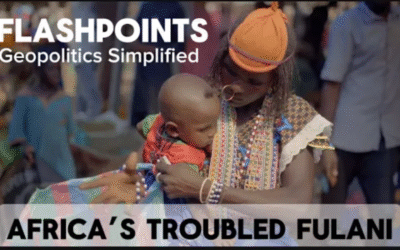
Ethnic Targeting in West Africa and Sahel: The Forgotten Plight of the Fulani
What’s happening to the Fulani in the Sahel isn’t just war — it’s collective punishment. This is the story no one...

West Africa: Despite Record Oil Production, Senegal Faces Fuel Price Pressure
In Senegal, drivers are feeling the pinch as fuel prices soar to the highest levels in the entire WAEMU region—even...
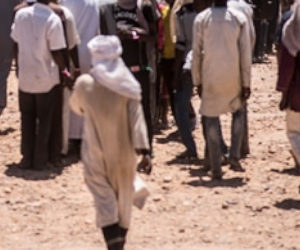
The EU’s Silent Partner: Mauritania’s Migration Deal Under Scrutiny
Mauritania is getting €210 million in EU funding to act as a migration gatekeeper to fortress Europe. The northwest...
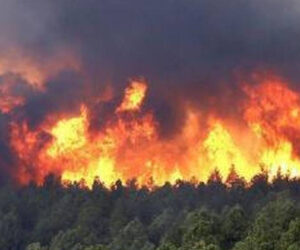
Morocco: Villagers on Edge as Wildfire Spreads Near Tangier
Firefighters in northern Morocco are battling a rapidly spreading wildfire in Houara Forest near Tangier, with 60...

Morocco: Two children killed in floods
Struggling with a debilitating drought, Morocco is now experiencing heavy rainfall resulting in floods that have been...

Tunisia’s Opposition Faces Mounting Legal Pressure
Government actions against opposition figures continue to dominate the political landscape in Tunisia. This week and...
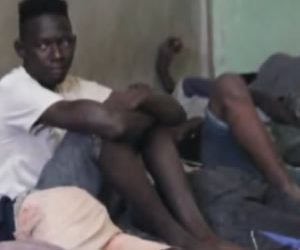
EU Report Accuses Tunisia of Migrant Trafficking to Libya
A report, presented to the European Parliament on January 29 by a group of researchers, accuses Tunisia of deporting...
Morocco is confronting a measles outbreak
Morocco is experiencing a measles outbreak which appears to have caused the death of five people on 3,631 measles...
Morocco Reports Blocking Thousands of Migration Attempts in 2024, Suggesting Far Greater Total Numbers
In 2024, Moroccan authorities reported blocking 78,685 irregular migration attempts, according to data from the...
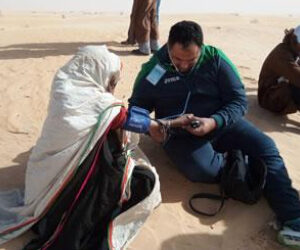
Algeria: Diphtheria and Malaria outbreak in southern border regions claims at least 40 lives
Algeria's southern provinces are experiencing an outbreak of malaria and diphtheria, with the authorities working to...
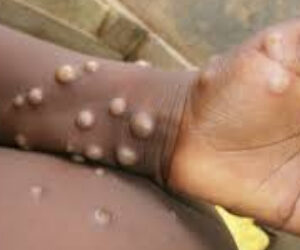
Morocco: First Mpox case reported in Marrakech, health authorities activate emergency protocols
With dense ties to West Africa, Morocco now has its first Mpox case, identified in the tourism city of Marrakech. This...
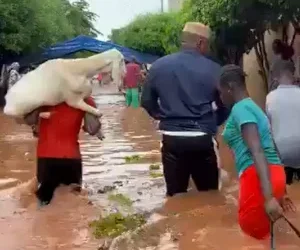
Sahel/Sahara: Unprecedented Summer Flooding Devastates Numerous Regions
Every summer, the Sahara and Sahel regions experience floodings that cause deaths and damage. This year, however, the...
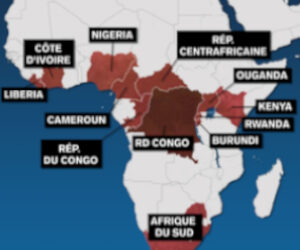
Africa CDC Declares Mpox a Public Health Emergency
By MondAfrique: The Africa Centres for Disease Control and Prevention (Africa CDC) has declared monkeypox, also known...
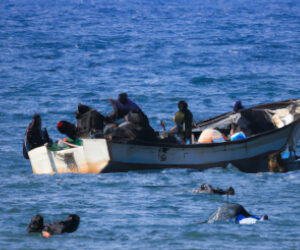
Migrations: The heartbreaking death of African migrants in the Atlantic, nearly 4,000 miles away
I like the Dominican Republic. It is a joyful country with wonderful people, and well... it is the Caribbeans, after...
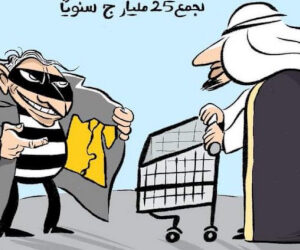
Egypt: Efforts at a National Dialogue Undermined by an Unhinged Political Police
Egypt is sending mix signals on its human rights records. Some in Cairo’s political system are trying hard to project...
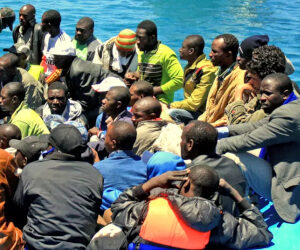
Tunisia: Harsh Conditions for Migrants in North Africa as they Seek Path to Italy
Italian Prime Minister, Giorgia Meloni, has been active seeking the participation of North African nations to stop the...

How to MEGA or ‘Make Europe Great Again’
By Arezki Daoud | LinkedIn | “Make France Great Again” -MFGA- that does not sound as an effective slogan as MAGA. How...

Egypt’s Demographic Time Bomb
This month of June 2024, the Egyptian population reached the record number 106.4 million people. Egyptians added...
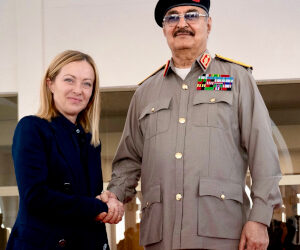
Libya’s Abnormal New Normal
By Arezki Daoud: Since 2011, Libya has been engulfed in a bloody civil war after the death of Muammar Gaddafi. Over...
Niger and Algeria recall their ambassadors over undocumented migrants
The authorities in Niger summoned the Algerian ambassador Bekhadda Mehdi on 2 April, over Algeria’s treatment of...

Morocco: Health workers go on strike, demand implementation of reforms
While the healthcare sector is undergoing strikes and tensions between health workers and the government rise, Morocco...
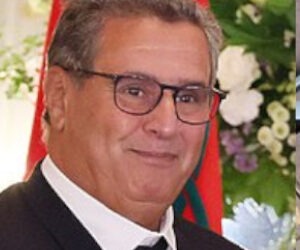
Morocco: Price of butane gas to increase by 25% in April
(Photo: Prime Minister Aziz Akhannouch) Morocco will stop subsidizing butane gas in 2026, but prices will begin to...

Sahel: Wagner Group and Mali army engaging in mass murder and forced displacement of northern populations
The Wagner Group is wracking havoc in northern Mali, with actions that hint on ongoing efforts to depopulate the...
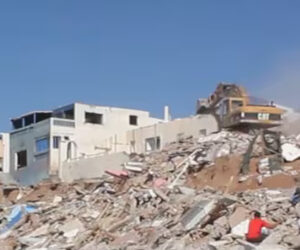
Moroccan authorities destroy homes without warning or relocation offers ($)
In a series of surprise operations, coastal communities in Morocco have been experiencing the forceful destruction of...

Morocco’s water woes deepen as rationing takes hold
By The North Africa Journal: The entire sub-region of North Africa is the hardest hit by a drought that is causing...
Algeria: Six members of the same family die of carbon monoxide in MSila
Six members of the same family died on Sunday, 14 January 2024, at their home in the municipality of Ain El Melh in...
Mauritania: Christian group released from detention, expelled from Mauritania
Media sources report that 15 Christians leaders and their families who were arrested by Mauritania at the end of...
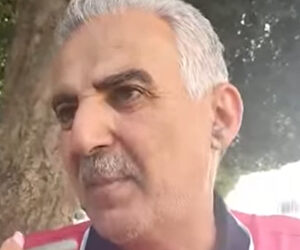
Tunisia: Journalist Zied El-Heni released from jail, gets six-month suspended sentence
Tunisian journalist El-Heni was released from prison on Wednesday, 10 January 2024, but he was given a six-month...
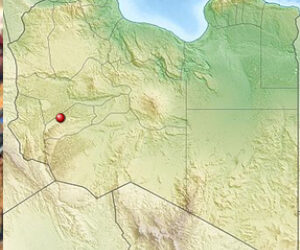
Libya: Protesters force closure of El Sharara oil field over local economics
The North Africa Journal - Protestors seeking social and economic development for the Fezzan region, located in the...