Nigeria’s Woro massacre in early February 2026 was a large‑scale attack on two mainly Muslim farming communities that left Muslim and Christian civilians dead, including adults and children, community leaders, and people living on the economic margins. Local leaders...
MEA RISK’s SHIELD & ALERT notifications: Access requires installing Shield & Alert mobile application. More info on S&A here or click here to signup and install
Nigeria Adjusts Airstrike Strategy Under Expanded U.S. Security Cooperation
Nigeria is adjusting how it conducts air operations against armed groups as part of an updated security arrangement with the United States. Under the new framework, Nigerian fighter aircraft will increasingly rely on U.S. reconnaissance and intelligence-gathering...
Nigeria: Questions Mount Over U.S. Airstrikes in Northern Nigeria
By Leslie Varenne, MondAfrique: The American strikes carried out in Nigeria on Christmas Day raise serious questions. Beyond the confusion surrounding the objectives of the operation, inconsistencies in official statements, and the unclear nature of the targets, the...
U.S. Immigration Policy and the Changing Landscape of Africa-U.S. Travel
As the United States prepares to implement a new round of immigration and visa policy changes in 2026, the effects are being felt across Africa and parts of the Middle East. What began as a technical overhaul of screening and enforcement procedures has evolved into a...
Nigerian president Tinubu under pressure to avoid war with northern neighbor Niger
By Camille Malpat with Aminu Abubakar in Kano, Nigeria: Political leaders in Nigeria are urging President Bola Tinubu to reconsider a threatened military intervention against junta leaders in neighbouring Niger, ahead of a Sunday deadline to reinstate the country's...
Nigeria grapples with end of fuel subsidy
By Alexandre Martins Lopes: Nigerians are struggling with surging fuel prices after newly elected President Bola Tinubu declared an end to popular subsidies, a move analysts and experts said was long overdue. On his first day in office, Tinubu kept to his campaign...
Sea pirates release foreign fishermen to Nigeria after month-long captivity
Posted On 9 June 2020
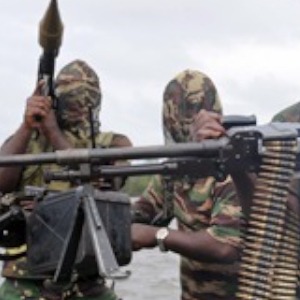
Seoul, June 9, 2020 – Six fishing boat crewmen abducted by pirates off the coast of Gabon have been released after more than a month in captivity, South Korea’s foreign ministry said Tuesday. A South Korean in his 50s, two Senegalese, and three Indonesians were released in southern Nigeria on Monday, the ministry said in a statement. They were transferred to the diplomatic missions of their respective nations, it said. The six were kidnapped by unidentified pirates in early May.
A source close to the Gabonese government told AFP last month that the crew members were seized from two fishing vessels near Libreville. It was the second pirate attack since off the Gabonese coast this year.
The Gulf of Guinea, which stretches some 5,700 kilometres (3,500 miles) from Senegal to Angola, has become a new world epicentre for piracy, marine theft and kidnappings for ransom. South Korean officials were not immediately available to comment on whether a ransom was paid for the release.
AFP
Recent News from Nigeria
Nigeria: More than 160 people killed in Muslim communities in Kwara State
More than 160 people were killed in predominantly Muslim farming communities in Kwara State, Nigeria, after villagers reportedly refused to accept an extremist group’s strict religious rule.
Nigeria Adjusts Airstrike Strategy Under Expanded U.S. Security Cooperation
Nigeria is modifying how it conducts air operations against armed groups under a revised security arrangement with the United States. The new framework places greater emphasis on U.S. intelligence and reconnaissance support while shifting operational responsibility to Nigerian forces. The approach reflects Abuja’s effort to balance external assistance with domestic control amid ongoing security challenges in the country’s northwest.
Nigeria: Questions Mount Over U.S. Airstrikes in Northern Nigeria
The U.S. airstrikes carried out in northern Nigeria on Christmas Day have triggered confusion and skepticism across the region. Conflicting statements from Washington and Abuja, uncertainty over the identity of the targeted groups, and reports from strike locations where no militants were found have raised serious questions about the operation’s objectives. In an already fragile security environment, the lack of clarity risks adding instability rather than addressing Nigeria’s complex security challenges.