🔒 Subscriber-Only Analysis This in-depth report is reserved exclusively for clients subscribing to The North Africa...
111 Bound
North African Countries Among World’s Cheapest for Gasoline, Lead Global Rankings
🔒 Subscriber-Only Analysis This in-depth report is reserved exclusively for clients subscribing to The North Africa...
Libya: A drifting Russian gas tanker threatens the Mediterranean
🔒 Subscriber-Only Analysis This in-depth report is reserved exclusively for clients subscribing to The North Africa...
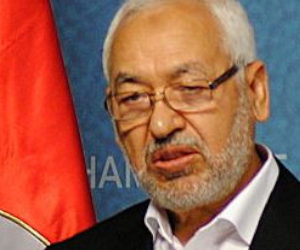
Tunisia arrests opposition leader Ghannouchi, shuts offices of Ennahdha party
Tunisian authorities closed the offices of Islamist-inspired opposition party Ennahdha on Tuesday, a day after...
Morocco’s conundrum: deepening alliance with Israel’s ultra-nationalist government vs. supporting the Palestinian cause,
By Philippe Agret: Morocco is struggling to balance its alliance with Israel with support for the domestically popular...
Podcast: Sahel collapsing with the Jihadists, Russia and France in bitter fight over control ($)
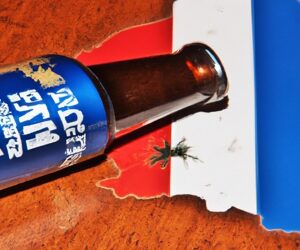
Africa: Competition between France and Russia over Africa is getting more violent
By Barbara Debou: On a night in early March, arsonists attacked a brewery owned by the French drinks giant Castel in...
Sahel and North Africa Week-in-Review: Mali and Tunisia remain center stage
Welcome to this week-in-review episode, for the period ending 10 March 2023, where we look at some of the key events...
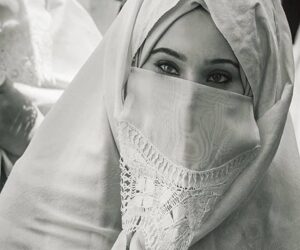
Maghreb competition: The ridiculous debate over who should claim ownership of the Haiek veil
Opinion by Arezki Daoud: Competition between the regimes of Algeria and Morocco has gone mainstream. Now Algerians and...

Libya: Efforts by UN envoy to organize elections face resistance from the Libyans themselves
By Jihad Dorgham: The new UN envoy to Libya had hoped to usher in long-delayed elections, but his initiative is facing...
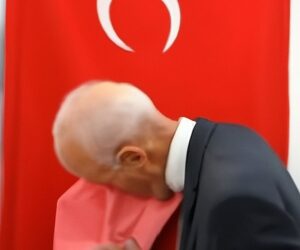
Tunisia: World Bank suspends new lending to Tunisia after President Saied issued racist comments
By Paul Raymond: The World Bank has effectively suspended new lending to cash-strapped Tunisia after President Kais...
Mali: Religious leaders reject draft constitution calling for secularism
Tunisia: Protesters demand release of political prisoners
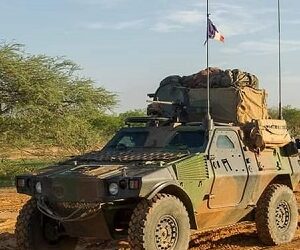
France to scale back military presence in Africa
By Valerie Leroux: President Emmanuel Macron on Monday announced a "noticeable reduction" of French troop presence in...
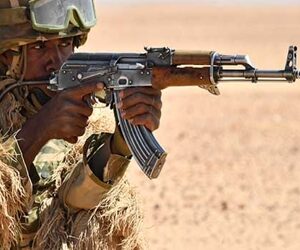
Russian soldiers in the Algerian Sahara ($)
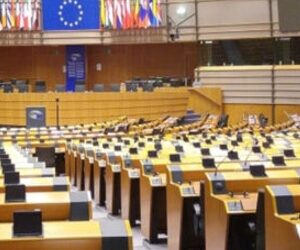
How Morocco’s image is taking a beating at the European Parliament ($)

Sahel: Burkina Faso junta issues decree to requisition gold from mining companies ($)
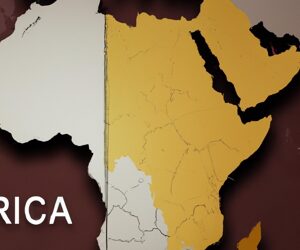
Africa: Troubled African nations say they want to restore some “democratic” order
By Hillary Orinde: The African Union insisted on Sunday it had "zero tolerance" for undemocratic changes of power and...
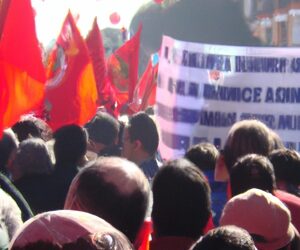
Morocco: Inflation exceeds 8%, unions protest economic hardship, defy government’s ban on marches
Moroccan trade union activists protested Sunday in the capital Rabat and other cities to denounce surging costs of...
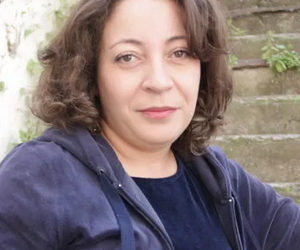
Algeria arrests analyst Raouf Farrah, keeps elderly mother of opposition figure under court supervision
The mother of prominent French-Algerian activist Amira Bouraoui has been released from custody but remains under court...
Tunisia: Police call head of dissolved opposition party Ennahdha for more questioning
The head of Tunisia's dissolved parliament is facing a new police inquiry, his Islamist-inspired Ennahdha party said...
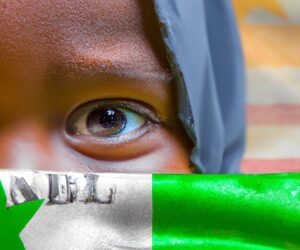
Sahel: The sad plight of children in the Sahel’s conflict zones
By Amaury Hauchard: After fleeing the jihadists who threatened their remote village, Aichata Hassan had no idea that...
Africa security: Gulf of Guinea facing growing threat of instability
Criminals in northern Ghana tried to blow up a bridge using explosives for the first time in a region where the...
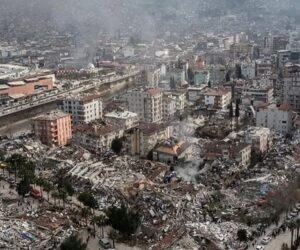
Devastation in Turkey and Syria: Death toll from quakes nears 8,000, figure likely to increase sharply
By Remi Banet with Youssef Karwashan in Aleppo: Rescuers in Turkey and Syria battled bitter cold Tuesday in a race...
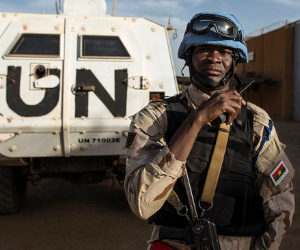
Sahel: Mali expels head of the human rights division of UN’s MINUSMA mission
Security: Escalation of Russia-Ukraine war could transform crisis into global conflict
Tunisia: Government of Kais Saied now targets trade union leaders
A powerful Tunisian trade union Wednesday condemned the arrest of one of its top officials, saying it was linked to...
Sahel: French army to withdraw from Burkina Faso
France said Wednesday it will withdraw its contingent of hundreds of troops stationed in Burkina Faso within a month,...

Morocco/Qatar: Probe on corruption scandal and bribery in EU parliament set to intensify
By Matthieu Demeestere: Under the terms of a plea deal struck with Belgian investigators, former Italian lawmaker ...
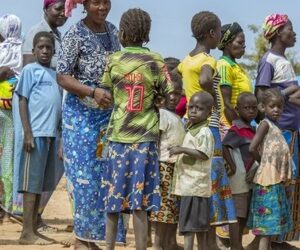
Sahel: Soldiers rescue women and babies abducted by suspected jihadists in N. Burkina Faso
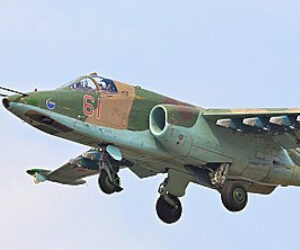
Sahel: Russia strengthens its presence in the Sahel with delivery of warplanes to Mali
Mali's military rulers received more warplanes and helicopters from Russia Thursday, an AFP correspondent noted, the...
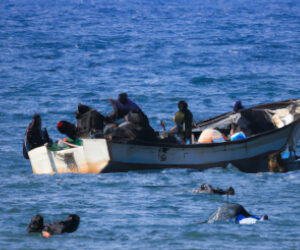
Podcast: Sahel and North Africa week in review 7 Jan 2023
Greetings to our second episode of Week in Review and a quick summary of what we are tracking in the Sahel and in...
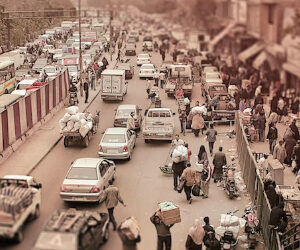
Egypt starts the year with a disastrous economic environment and social tension
By Mona Salem and Sarah Benhaida: Public anger has been growing for months in Egypt over a severe dollar crunch and...
Morocco: EU parliament worker and boyfriend of arrested Greek MEP implicates Morocco in corruption scandal
The EU on Wednesday defended a trip by its top diplomat to Morocco, which has been linked, along with Qatar, to a...
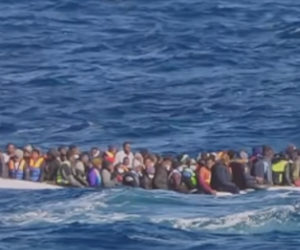
Migration: Tragedy at sea with dead-by-drowning of 13 Moroccan migrants in failed sea crossing
Libya: 35-year-old Lockerbie bombing case gets into Libyan politics
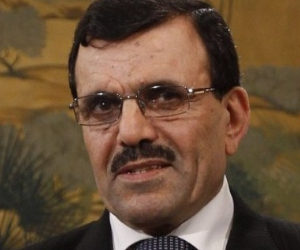
Tunisia: Political crisis worsens with arrest of former PM Laarayedh
Tunisian police have arrested former prime minister Ali Laarayedh, his Islamist-inspired Ennahdha party said Tuesday,...

Tunisia: President faces turmoil after election turnout fell below 9%
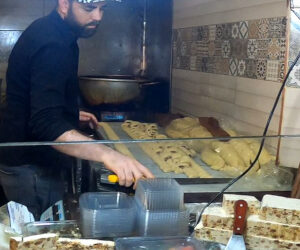
Podcast: Food shortages and rising cost of commodities in Tunisia: briefly explained
Arezki Daoud of MEA Risk and The North Africa Journal visited Tunisia this November and is bringing better...
Algeria sentences stunning number of people to death over forest fires
Sahel: Insurgents make major gains in northeast Mali

Sahel: US concerned about worsening crisis in Mali, blames Russia’s Wagner Group