


🔒 Subscriber-Only Analysis This in-depth report is reserved exclusively for clients subscribing to The North Africa...

🔒 Subscriber-Only Analysis This in-depth report is reserved exclusively for clients subscribing to The North Africa...
🔒 Subscriber-Only Analysis This in-depth report is reserved exclusively for clients subscribing to The North Africa...
🔒 Subscriber-Only Analysis This in-depth report is reserved exclusively for clients subscribing to The North Africa...
The military junta in Burkina Faso on Monday suspended all broadcasts by the France 24 news channel in the west...
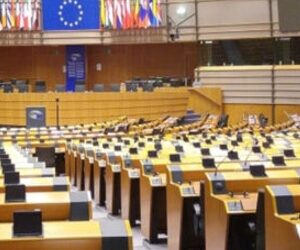
Tunisia on Monday called for "constructive discourse" from the European Union after a string of leaders warned the...
By Philippe Agret: Morocco is struggling to balance its alliance with Israel with support for the domestically popular...
Algeria will send its ambassador back to France soon, President Abdelmadjid Tebboune said weeks after he withdrew the...
US Secretary of State Antony Blinken warned Wednesday that Tunisia urgently needs to reach a deal with the IMF, adding...
Erratum: A previous title for this article wrongly suggested that an Egyptian delegation traveled to Russia. It should...
By Camille Laffont: A French journalist and a US aid worker who had been kidnapped by jihadists in the Sahel have been...
Egypt's journalist union said Saturday it had elected government critic Khaled Elbalshy as its head, amid a crackdown...
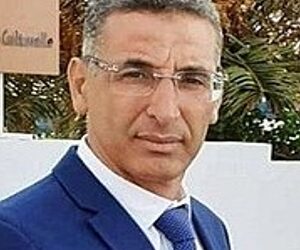
Tunisian interior minister Taoufik Charfeddine, a close aide of President Kais Saied, announced Friday he had resigned...
Turkey's top diplomat will visit Egypt on Saturday as relations ease after a decade of strained ties, Cairo's foreign...
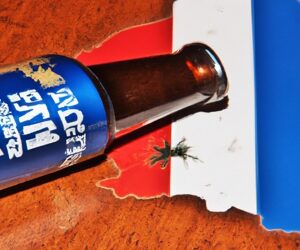
By Barbara Debou: On a night in early March, arsonists attacked a brewery owned by the French drinks giant Castel in...
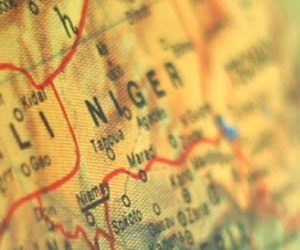
By Shaun Tandon: US Secretary of State Antony Blinken arrived in Niger on Thursday for a rare visit to a country seen...
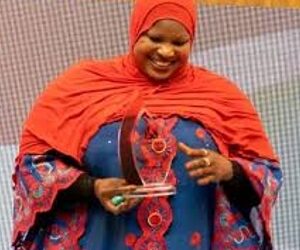
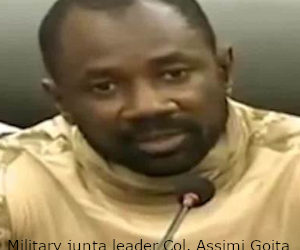
Mali's ruling junta will postpone a constitutional referendum but maintain a previously agreed timeline to return to...
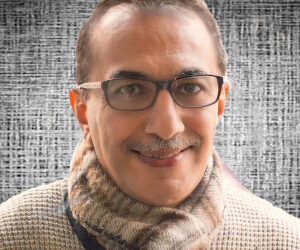
Jailed Algerian journalist Ihsane El Kadi, accused of illegal fundraising, will remain silent during his trial which...
Opinion by Arezki Daoud: Competition between the regimes of Algeria and Morocco has gone mainstream. Now Algerians and...

By Jihad Dorgham: The new UN envoy to Libya had hoped to usher in long-delayed elections, but his initiative is facing...
Tunisian President Kais Saied on Thursday moved to dissolve the country's elected municipal councils, seen as a key...
Unions and rights groups demanded an apology from Tunisia's interior minister on Wednesday after he lashed out at...
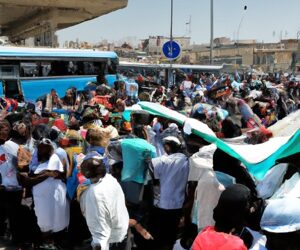
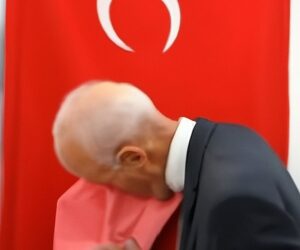
By Paul Raymond: The World Bank has effectively suspended new lending to cash-strapped Tunisia after President Kais...
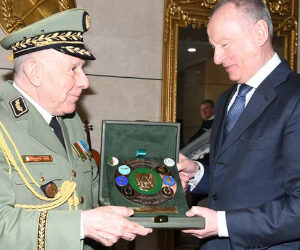
The head of Algeria's army hosted Russia's top security official on Monday to discuss boosting their military ties,...
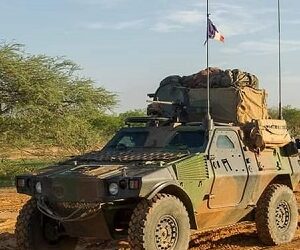
By Valerie Leroux: President Emmanuel Macron on Monday announced a "noticeable reduction" of French troop presence in...
The UN envoy to Libya on Monday announced a push to help the country organize presidential and legislative elections...
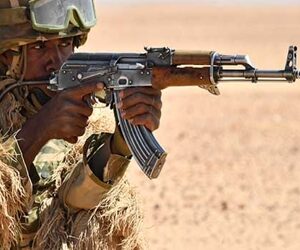
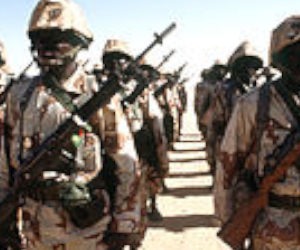
Algerian President Abdelmadjid Tebboune said Sunday the North African nation will allocate a billion dollars to...
Arezki's Take: There have been so many conferences organized by Libya's North African neighbors, European nations, the...