



French authorities have opened a financial crime investigation targeting Mohammed Bedjaoui, a former Algerian justice...
Shield and Alert: Maghreb Bound
French Law Eases Path to Nuclear Test Compensation for Algerian and Polynesian Victims
France’s National Assembly has unanimously approved a landmark reform that makes it easier for people harmed by its...
Africa Cup of Nations (AFCON 2025) in Morocco: Strong Hosting, Weak Crisis Management
Morocco delivered a technically strong Africa Cup of Nations in 2025. Stadiums were modern, logistics mostly worked,...

Morocco: Health workers go on strike, demand implementation of reforms
While the healthcare sector is undergoing strikes and tensions between health workers and the government rise, Morocco...

Algeria: President announces early election, no one knows why
Algerian President, Abdelmadjid Tebboune, ordered the holding of an early presidential election on 7 September 2024,...
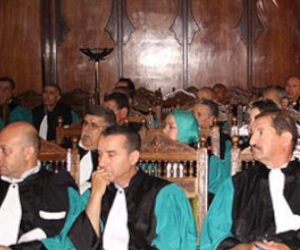
Algeria: Beware of forgery. New law seeks to reduce fraud and white collar crime
(Photo: Magistrates at the Court of Auditors) - Algeria must have some serious problems with official document...
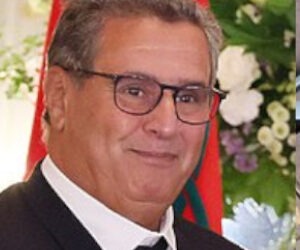
Morocco: Price of butane gas to increase by 25% in April
(Photo: Prime Minister Aziz Akhannouch) Morocco will stop subsidizing butane gas in 2026, but prices will begin to...
Brief: Tunisia: The Lazy Governors
Funny news this week from Tunisia where the Presidency of the Republic announced the dismissal of two governors. They...
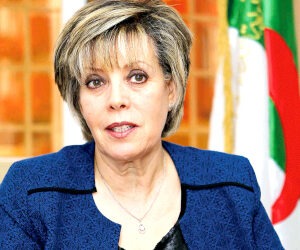
Algeria: Opposition leader Zoubida Assoul announces presidential bid
Algerian opposition and pro-democracy lawyer Zoubida Assoul has announced that she will run for the presidential...

Agriculture: Spanish farmers say Moroccan strawberries carry virus, as Morocco surpasses Spain as tomato supplier to EU
Agriculture is the theater of another kind of war where there are winners and losers. Worth billions of dollars, the...
Libya: Bank and power company employees detained over separate corruption affairs
Tunisia: Detention of three oil executives extended in Tunis over alleged contract irregularities
Morocco: Protest over water management in Figuig continues, local militants arrested

Morocco: Consumers to pay more for Netflix, Airbnb and other online services courtesy 2024 state budget
Morocco is overhauling its taxation system to generate more revenue from online services, in particular the ones...
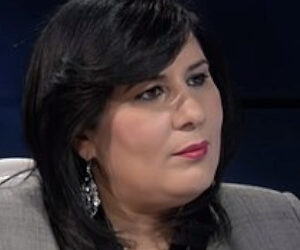
Tunisia’s Slide Toward Autocracy: The Erosion of Democratic Institutions
By Arezki Daoud | Photo: Abir Moussi: Tunisia has been experiencing a fast moving drift towards autocracy, marked by...
Western Sahara: Escalating Tensions Between Morocco and the SPLA
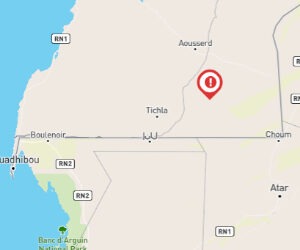
The North Africa Journal: With global attention focused on the Middle East and the Ukrainian crises, the Western...
Podcast: The Sahel is the Next Big Geopolitical Crisis where Foreign Meddlers are Congregating
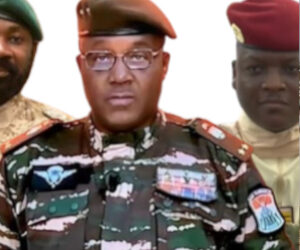
Transcript: The Sahel is now clearly the next big event in Africa's geopolitics. After the complete destruction of...
Trade: Israel-Morocco trade takes a hit amid extreme instability in the Middle East
Last year, Morocco and Israel have had a strong run on their bilateral trade, as the two countries put into effect the...
Moroccan authorities destroy homes without warning or relocation offers ($)
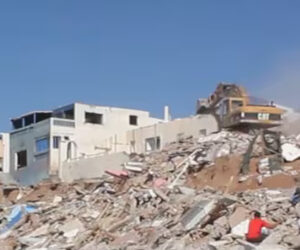
In a series of surprise operations, coastal communities in Morocco have been experiencing the forceful destruction of...
Morocco’s water woes deepen as rationing takes hold
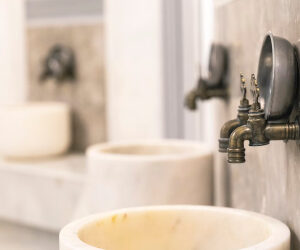
By The North Africa Journal: The entire sub-region of North Africa is the hardest hit by a drought that is causing...
22 Islamist militant suspects arrested in Tunisia ($)
Morocco-Israel trade figures collapsing
Defense: Morocco orders armored vehicles from Turkey ($)
Algeria: Six members of the same family die of carbon monoxide in MSila
Six members of the same family died on Sunday, 14 January 2024, at their home in the municipality of Ain El Melh in...
Algeria: Judicial Supervision of Former Head of RCD Party: Political Pressure or Legal Procedure?
The former president of the opposition party, the Rassemblement pour la Culture et la Démocratie (RCD), Mohcine...
Tunisia: Journalist Zied El-Heni released from jail, gets six-month suspended sentence
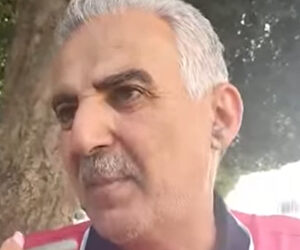
Tunisian journalist El-Heni was released from prison on Wednesday, 10 January 2024, but he was given a six-month...
Four Mauritanian gold miners were killed last weekend near Gleibat El Foula ($)
Morocco-Mauritania relations: Tensions after killing by drone of Mauritanian civilians
The Moroccan media said the Mauritanian authorities have abruptly increase by 171% the customs duties applied to...
Libya: Protesters force closure of El Sharara oil field over local economics
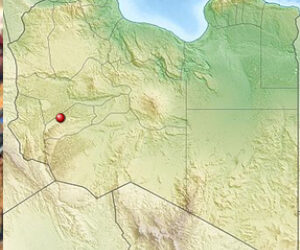
The North Africa Journal - Protestors seeking social and economic development for the Fezzan region, located in the...

Sahel: Qatar helps dissipate diplomatic tensions between Mali and Algeria
The North Africa Journal - Qatar has demonstrated its diplomatic skills in the Middle East crisis but it has also been...
Drought is pushing North African economies to the brink and to social unrest
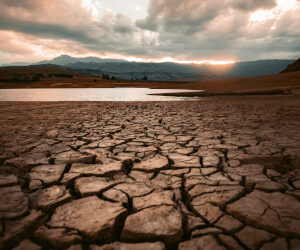
Drought is wreaking havoc on North Africa’s water supply and on its agriculture. All countries in the region are...

Sahel: Kidnapped in Libya in 2017, South African medic released this week in Mali
A South African paramedic who had been held by jihadists in Mali for over six years has been released, security and...
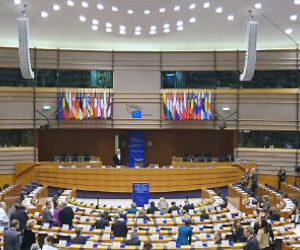
Morocco: Belgian investigators in Morocco in probe over alleged bribery case
Several Moroccan officials have been questioned as part of a high-profile investigation into alleged bribery by the...
Tunisia: Three workers assigned to historic World Heritage wall in Kairouan killed after wall collapsed
A section of the historic walls around the Old City of Kairouan collapsed on Saturday, killing three masons carrying...
UN rapporteur on human rights pressures Algeria to release jailed activists
The United Nations special rapporteur on human rights defenders on Tuesday urged Algeria to release all jailed human...
Libya releases four Hamas members held since 2016
Libyan authorities on Friday released four members of the Palestinian militant group Hamas who were arrested in 2016...
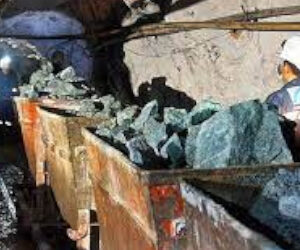
Morocco: Managem denies hazardous levels of arsenic at Bou Azzer cobalt mine
Moroccan mining company Managem, controlled by Morocco's royal family, has refuted allegations linking its mining...
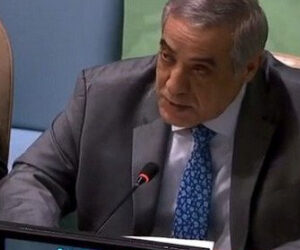
Algeria: Year before election, president picks new prime minister
Algerian President Abdelmadjid Tebboune dismissed his prime minister on Saturday, replacing him with a seasoned...

Libya: Companies flock to Benghazi for reconstruction projects
More than 260 Libyan and international companies on Wednesday attended a forum in Benghazi organised by the country's...
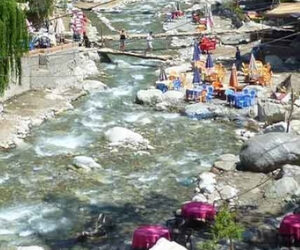
In the Media: Morocco: After the quake, water!
France24 says a rare geological phenomenon has occurred in Morocco's Atlas Mountains following a large earthquake on...
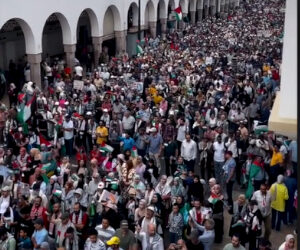
In the Media: Pressure grows on Moroccan leaders over conflict in the Middle East
US World & News Report discusses the public pressure and protests in Morocco and other Arab nations in response to...
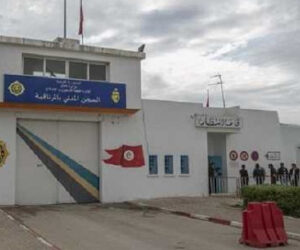
Tunisia: Prison escape rattles President Saied
Tunisia's president said Wednesday that the escape of five prisoners convicted of "terrorism" was a well-planned...
Anger in the Arab world over strike on a Gaza hospital
In Libya: Several hundred people protested in Tripoli and other Libyan cities late Tuesday over the deadly strike on a...