



The arrival of Leo Brent Bozell III as the new U.S. ambassador to South Africa comes at a moment of visible diplomatic...
Shield and Alert: Sahel Bound
Algeria and Niger Relaunch Trans-Saharan Gas Pipeline After Diplomatic Freeze
Algeria and Niger have formally reset strained bilateral relations and announced the operational relaunch of the...
Niger: Roadside Bomb Kills Civilians Near Baroua in Diffa Region
An improvised explosive device struck a mixed transport vehicle near Baroua in Niger’s Diffa region at around 9:30...
Sahel: Three Sahel States Join Forces in Northern Mali Offensive
Joint counterterrorism forces from the Alliance of Sahel States (AES) have carried out a precision operation in...
Sahel: The Demographic Tide Reshaping Mali’s Regional Balance
Mali is on the cusp of a demographic transformation. According to new projections from the country’s National...
Sahel: Fever Outbreak Overwhelms Mauritanian Hospitals
Hospitals in Mauritania are under growing strain as an outbreak of an unidentified fever spreads through the country’s...
Africa: New Warning of Evolving Hybrid Threats Linking Terrorism, Crime, and Climate Pressures Across Africa
At a recent Mediterranean Dialogues Forum in Naples, Mauritania’s Foreign Minister Mohamed Salem Ould Merzoug...
Mauritania: Water Scarcity Sparks Protests in Chami
Residents of Chami, a mining hub in western Mauritania, have taken to the streets to protest severe and prolonged...
Mauritania Battles Dual Outbreaks Amid Sahel’s Shifting Climate
Mauritania is contending with concurrent outbreaks of diphtheria and Rift Valley fever that have left at least 36...
Sahel Displacement Hits 4 Million: UN Warns of Growing Crisis
By MondAfrique: On October 10, the United Nations High Commissioner for Refugees (UNHCR) sounded the alarm: around 4...
Africa: Visa Bonds Up to $15,000 From October 23: New U.S. Policy Targets Travelers from Africa
Beginning October 23, 2025, citizens of seven African countries seeking business or tourist visas to the United States...

Sahel: Surging Jihadist Violence Batters the Sahel, Exposing Government Weakness
By Arezki Daoud: A surge in jihadist violence has rocked the Sahel region through late September and early October...
Mali: Ongoing Attacks Prompt Longer Curfew in Western Mali
Authorities in Mali have extended the curfew in Kayes for another month, following a series of violent attacks...
Northwest Africa’s Fishing Crisis Intensifies
In Nouadhibou, Mauritania’s bustling fishing hub, the docks don’t hum the way they once did. Factories that once...
Mali: Diplomatic Rift Widens as France Expels Malian Envoys, Halts Counterterrorism Ties
Tensions between Mali and France have escalated after Paris expelled two Malian diplomats and suspended joint...
Niger Dissolves Hundreds of Private Security Firms in Major Industry Overhaul
Niger’s government has shuttered 400 private security companies by ministerial decree, implementing a sweeping...
Niger: Arbitration Tribunal Sides With Orano on Uranium Stock, Escalating Niger Dispute
An international arbitration panel has ordered Niger to halt any sale or transfer of uranium currently at the center...
Niger: Heavy Rains Force Back-to-School Delay
For the second year in a row, Niger’s public education system is adjusting its calendar in response to extended...
Senegal Battles Dual Epidemics: Monkeypox and Rift Valley Fever
Senegalese health authorities have announced two concurrent epidemics: monkeypox (Mpox) and Rift Valley fever. So far,...
Mauritania and Senegal Report Rift Valley Fever Deaths Amid Regional Outbreak
Health authorities in Mauritania and Senegal are grappling with a new outbreak of Rift Valley Fever (RVF), a...
Sahel: Drone Incident Escalates Diplomatic Rift on Algeria–Mali Border
The diplomatic crisis between Algeria and Mali, long simmering over border security and regional influence, escalated...
Extraction Without Value: Mali’s Role in the Global Lithium Rush
By Mohamed AG Ahmedou, via MondAfrique: Mali’s strategic resources are a formidable source of enrichment for Beijing,...
Turkey: Erdogan’s Winning Strategy in Africa
Despite the wave of coups d'état in West Africa, Turkish President Recep Tayyip Erdogan, who had close ties to the...
The Human Cost of the EU-Mauritania Migration Partnership
Since early 2024, the Mauritanian government has intensified its enforcement operations against undocumented...
Geopolitics: Religion, Oil, and Minerals are Now Washington’s Africa Strategy
Under Donald Trump, US Africa policy is zeroing in on oil and mineral wealth while using evangelical networks as a...
Protests Erupt as Water Shortage Grips Mauritania
Opposition lawmakers in Mauritania staged a sit-in at the Ministry of Water to protest a two-week-long water shortage...
Ivory Coast Edges Toward Political Flashpoint Ahead of 2025 Election
Rising tensions, legacy rivalries, and fears of renewed violence loom over a fragile democracy. With just months to go...
Niger Deepens Strategic Ties with Russia After Break from France
Civil nuclear cooperation and uranium development signal a shift in Niamey's global posture In a development that...
Jihadist Expansion Threatens Coastal West Africa
The Sahel is confronting an intensifying insurgency that continues to evolve in scale and complexity. Armed groups...
Mali’s Airports Are Battling a Flow of Cocaine
Mali's airports, from the bustling hub in Bamako to smaller regional ones, have become a key front in the battle...

Sahel: Russia Replaces Wagner in Mali Under Pressure from Algeria, Touaregs Brace
As Wagner withdraws from Mali, Russia is not stepping away, but it’s reshaping its presence there. Under quiet...
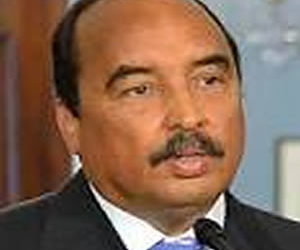
Mauritania: Ex-President Verdict Puts Mauritania’s Legal System Under Spotlight
Mauritania’s high-profile corruption trial of former President Mohamed Ould Abdel Aziz has sparked a bigger...
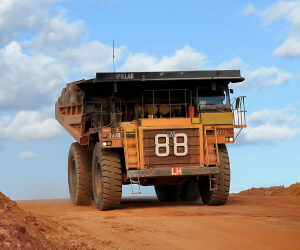
Guinea’s Mining Purge Echoes Mali’s Playbook, With Different Goals
Guinea’s junta has launched a sweeping crackdown on mining permits, abruptly revoking over 100 licenses for bauxite,...

Sahel: Russia Reorganizes in Mali: Wagner Withdraws, Africa Corps Moves In
After months of behind-the-scenes talks, Russia has managed to phase out the Wagner Group in Mali and replace it with...

West Africa: Despite Record Oil Production, Senegal Faces Fuel Price Pressure
In Senegal, drivers are feeling the pinch as fuel prices soar to the highest levels in the entire WAEMU region—even...
The EU’s Silent Partner: Mauritania’s Migration Deal Under Scrutiny
Mauritania is getting €210 million in EU funding to act as a migration gatekeeper to fortress Europe. The northwest...
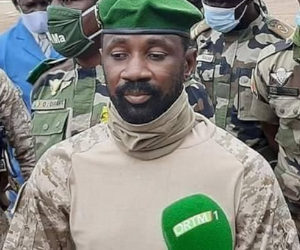
Mali in Turmoil: Junta Suspends Political Parties Amid Mounting Opposition
Mali’s ruling junta has officially suspended all political party activities, marking the most sweeping crackdown yet...
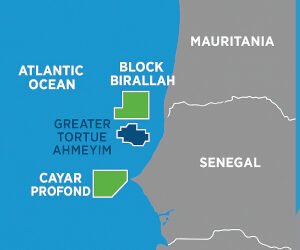
Mauritania and Senegal Launch LNG Exports with First Cargo from Grand Tortue Ahmeyim Project
The first shipment of liquefied natural gas (LNG) from the Grand Tortue Ahmeyim (GTA) project, located offshore...

West Africa: ECOWAS in turmoil
West Africa's economic grouping, ECOWAS, faces a new crisis as former chairman and Guinea-Bissau President Umaro...

Sahel: Terror Groups Gain Ground as Armies Struggle to Contain Them
Al-Qaeda’s Sahel branch, Jama’at Nusrat al-Islam wal-Muslimin (JNIM or GNIM in French) is now emerging as the region’s...
Brief: Fifteen Migrants Found Dead in a Boat off the Coast of Nouadhibou, Mauritania
Fifteen undocumented migrants, including one Mauritanian, have died off the coast of Nouadhibou, according to a Sahara...
Mali Keeps Pressuring Algeria, Accusing it of Interference
Mali has accused Algeria of interference and supporting terrorist groups after top Algerian diplomat criticized its...
Sahel: Mali and Canadian mining firm Barrick are talking again
Mali’s junta and Canadian gold mining firm Barrick Gold went back to the negotiating table to find a compromise in...