



🔒 Subscriber-Only Analysis This in-depth report is reserved exclusively for clients subscribing to The North Africa...
Immigration Bound
U.S. Immigration Policy and the Changing Landscape of Africa-U.S. Travel
🔒 Subscriber-Only Analysis This in-depth report is reserved exclusively for clients subscribing to The North Africa...
Migration: 17 Migrants, Mostly Egyptians, Lost at Sea on the Road to Greece
🔒 Subscriber-Only Analysis This in-depth report is reserved exclusively for clients subscribing to The North Africa...
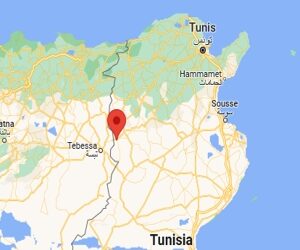
Migrations: Nine migrants die in west Tunisia, as number of migrants crossing the Med Sea increased 300% in first quarter
The bodies of nine migrants from sub-Saharan African countries have been found in western Tunisia, near the border...
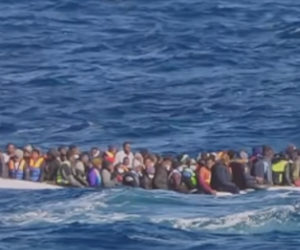
Morocco ups campaign to capture more migrants crossing seas
Morocco's navy has intercepted 552 migrants attempting to reach Europe over 10 days in both the Atlantic Ocean and...
Fifteen Tunisian migrants missing in Mediterranean
Fifteen Tunisian migrants are missing after their boat sank in the Mediterranean during an attempt to reach Europe,...
Migrations: 32 migrants perish off the coast of Tunisia
The death toll after a boat carrying sub-Saharan migrants sank off Tunisia this week rose to 32 on Friday after...
Migrations: Five migrants die off the coast of Tunisia, Algeria disbands smuggling gang
Five migrants from sub-Saharan Africa drowned and another 28 were missing Wednesday after their boat capsized off...

Egypt: Khaled Elbalshy of banned Darb news site, elected chief of Egypt’s journalist union
Egypt's journalist union said Saturday it had elected government critic Khaled Elbalshy as its head, amid a crackdown...
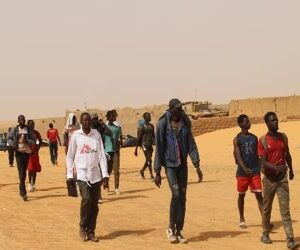
Algeria: MSF criticizes Algeria for mistreatment of migrants
Doctors Without Borders (MSF) denounced Thursday the "abandon" of thousands of migrants expelled by Algeria into...
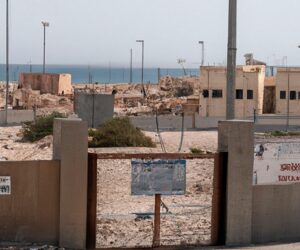
Libya: With thousands of migrants held in detention centers, Libya continues to violate human rights
Around 5,000 migrants are being held in official detention centres in Libya and they represent just the tip of the...
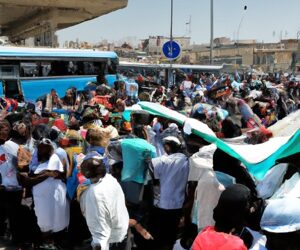
Tunisia: President’s racist speech sparks violence against migrants
Tunisia in damage control campaign after president’s remarks on migrants
By Ezzedine Said: Tunisia's top diplomat sought to "reassure" sub-Saharan African migrants on Monday, in an interview...
Tunisia: Presidential ‘hate speech’ on migrants causes public outcry

Morocco: Man sets himself ablaze outside Morocco consulate in Madrid, motives unknown
A Moroccan man sustained serious injuries after setting himself on fire outside the Moroccan consulate in Madrid on...
Morocco among top sources of illegal immigration to Switzerland
Illegal immigration into Switzerland almost tripled last year, the government announced Thursday, citing a recent...
Migrations: Italy tells Tunisia to help reduce irregular migration in exchange of more legal migrant inflow
Spain cracks down on use and abuse of undocumented migrants in agriculture
Morocco: Migrant incursions from Morocco to Melilla on new year’s eve
Morocco sentences for migrants over Melilla tragedy ‘unjust’: rights group
A Moroccan rights group on Saturday slammed "unjust" punishments given to migrants sentenced over a mass attempted...
Tunisia deports migrants, rights group calls move “repressive and inhumane”
A Tunisian rights group condemned Sunday a "repressive and inhumane" government decision to deport a group of migrants...
France set to readjust visa issuance policy for Maghreb visitors
Spain looks for 12 who fled plane after ’emergency landing’
Spanish police were still searching for 12 passengers who fled their plane Wednesday after an emergency landing at...
Tunisian migrants increasingly eyeing Germany as a destination
By Françoise Kadri: Germany is becoming a key destination for disillusioned young Tunisians despite a language barrier...
Tunisia wants toddler migrant back after she reached Italy without parents
Tunisia said Wednesday it plans to repatriate a four-year-old girl who reached Italy aboard a boat with other...

Migration: Three-year old girl from Tunisia reaches Italy on migrant boat, without parents
Tunisia: Hundreds of migrants intercepted in Tunisia, others arrested for human smuggling
Tunisia: Bodies of eight migrants found off Zarzis

Morocco triples migrants’ jail terms over border storming
Morocco: Dozen undocumented Sudanese migrants get 3 years in Moroccan prison
Migrations: Number of Tunisians fleeing their country to Italy up 11% this year
More than 13,000 clandestine Tunisian migrants have reached Italy by sea since the start of the year, almost a fifth...
Sahel: 50 migrants rescued in Niger desert
A total of 50 West African migrants, including women and children, were rescued in the desert in northern Niger near...
Algeria deports hundreds of migrants from Niger
Tunisia: Three migrants drown off Gabes coast
Libya: Egyptian migrants dead and missing after boat sank off the coast Tolmeta
Five migrants died and 16 went missing after their boat sank off the coast of eastern Libya while attempting to reach...
Migration: Hundreds of migrants rescued off the coast of Tunisia
Tunisian coastguards "rescued" more than 250 migrants who were attempting to cross the Mediterranean to Italy, the...
Egyptian migrant dies in France after police shootout
Spain warns Morocco not to weaponize immigration in their bilateral dealings
Moroccans living abroad return home this summer in large numbers
Tunisia/Libya: Another tragedy at sea with 70 missing migrants
Four migrants drown, three missing off Libya Tripoli, May 24, 2022 - Four migrants were found dead and three were...
Migration: Dozens of migrants rescued by Tunisian navy
Tunisia: Child migrant crossings from Tunisia take on alarming proportions
A record number of irregular migrants under 18 years old reached Italy from Tunisia last year, more than quadrupling...
Migrations: 70 migrants missing off Libya coast, presumed dead
Around 70 migrants are presumed dead after going missing off the Libyan coast since late February, the International...