



🔒 Subscriber-Only Analysis This in-depth report is reserved exclusively for clients subscribing to The North Africa...
economy upfront Bound
Energy Markets Are Reacting to Iran, But Not Panicking Yet
🔒 Subscriber-Only Analysis This in-depth report is reserved exclusively for clients subscribing to The North Africa...
Morocco’s Deficit Widens in Trade With Turkey
🔒 Subscriber-Only Analysis This in-depth report is reserved exclusively for clients subscribing to The North Africa...

Morocco: Uncertainty looms in the tourism sector
By Anne-Sophie Labadie: Marrakesh's ancient medina was nearly empty on Sunday after a deadly earthquake that hit...
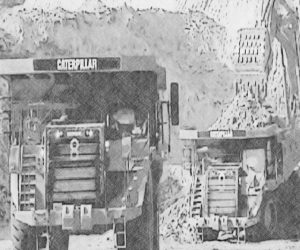
Mali, a leading producer of gold, manganese and lithium, shakes up mining sector
Mali has adopted a new mining code allowing the state to take up to 30 percent stakes in new mineral projects and...
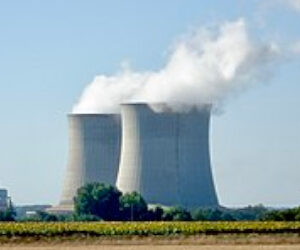
Niger: Nuclear industry in France seeks to appease concerns over Niger’s uranium
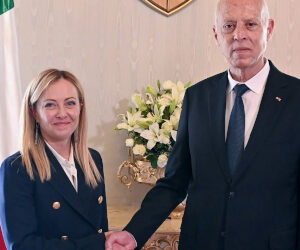
Tunisia: Panic in Europe over Tunisia’s potential economic collapse
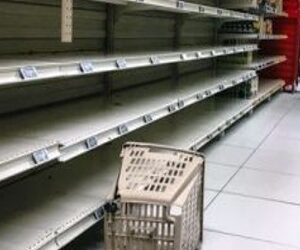
Tunisia: Saudi Arabia offers soft loan and grant to financially-troubled Tunisia
Saudi Arabia on Thursday said it will give Tunisia financial assistance valued at $500 million, including a $100...
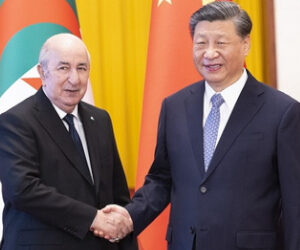
Algeria-China agree to strengthen ties
Algeria reduces oil production to support Saudi’s output cut
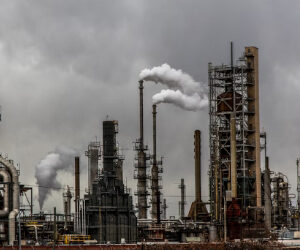
Libya: Rival governments bicker over oil revenues, threaten to shut down oil operations
Algerian airline carrier Air Algerie to purchase eight Boeing 737 MAX-9 aircraft
Tunisia: Tunisia under pressure to accept IMF reforms
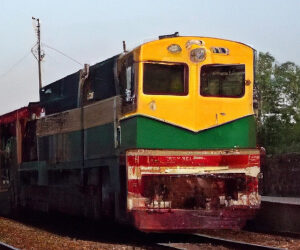
Mali resumes train service on Bamako-Kayes line
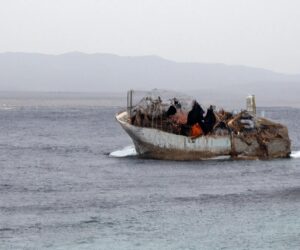
Migrant crisis: Italy wants IMF loan for Tunisia to shield self from migrant crisis
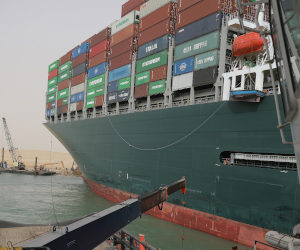
Egypt: Suez Canal traffic resumes after broken down tanker tugged away
Egypt deployed three tugboats Sunday to tow away an oil tanker that had broken down and caused brief delays in the ...
Tunisia’s president considering taxing the wealthy to prevent IMF meddling
Tunisia's President Kais Saied on Thursday proposed taxing the North African country's wealthiest citizens as a way of...
Algeria’s wheat imports to hit record volumes this summer ($)
Tunisia: UGTT union chief rejects talks with IMF in fear of tough austerity measures
Tunisia's largest union on Monday attacked the government's handling of negotiations with the IMF on a loan to bail...
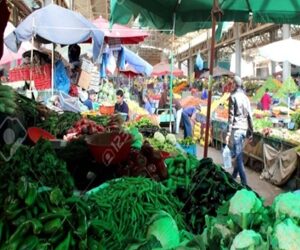
Morocco: Despite being an agricultural powerhouse, Morocco is experiencing soaring food prices
By Ismail Bellaouali: Soaring inflation in Morocco is driving up living costs and stirring public anger, and as food...
Morocco applies for $5 bil IMF loan, likely to get the loan
On 6 March 2023, the International Monetary Fund’s (IMF) Executive Board met in an informal session to consider a...
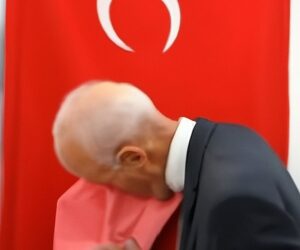
Tunisia: World Bank suspends new lending to Tunisia after President Saied issued racist comments
By Paul Raymond: The World Bank has effectively suspended new lending to cash-strapped Tunisia after President Kais...
Egypt to sell citizenship for money to compensate for bankrupt economy
Egypt to build high-speed rail link

Aviation: Post-Covid Africa remains lackluster market for Boeing and Airbus ($)
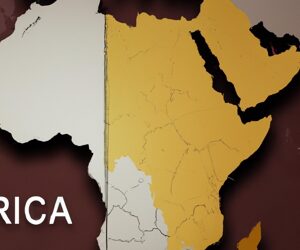
Africa: Troubled African nations say they want to restore some “democratic” order
By Hillary Orinde: The African Union insisted on Sunday it had "zero tolerance" for undemocratic changes of power and...

Africa: Nigeria’s economy in Turmoil as country braces for a tense presidential elections
By Joel Olatunde Agoi: Like millions of fellow Nigerians, Rotimi Bankole says he wants to use Saturday's presidential...
Construction of a Morocco-Spain tunnel under consideration but challenges abound
By Valentin Bontemps: In limbo for years, plans for a tunnel linking Spain and Morocco have been officially revived by...
Egypt: Channeling more than 1.4 billion tons of cargo, Suez Canal sees revenues up 77% in 2022
Energy: New Italian PM heads to Algeria to secure more gas
Italian Prime Minister Giorgia Meloni agreed Monday to strengthen energy cooperation with Africa's top gas exporter...
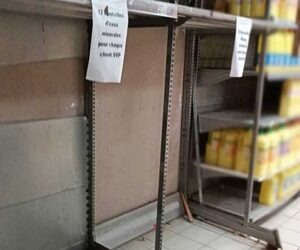
Economy: Tunisia gets food donations from Libya
Egypt faces major risks this year as economy continues to fall apart
“Chicken feet are good for you…” The Egyptian pound traded Wednesday at half its value from March after the central...
Tunisia facing daunting economic outlook, headed to IMF bailout
Morocco’s argan industry in need of stimulus
By Kaouther Larbi: Morocco's argan oil is highly prized by the cosmetics industry, yet it is now mostly produced by...
Algeria makes baby steps to stimulate tourism sector, but just in the Sahara
Algeria will allow foreign tourists heading to its vast desert south to obtain visas on arrival, part of efforts to...
Tunisia: While waiting for an international bailout, Tunisia looks to raise taxes to stay afloat
Egypt: Suez Canal chief seeks to dispel fears over draft Egypt law
The chairman of Egypt's Suez Canal on Thursday affirmed the waterway is "not for sale", in a bid to allay fears over a...
Algeria troubled by Europe’s gas price cap
While Algerian gas keeps flowing into Spain, trade between the two is frozen
By Valentin Bontemps: Six months after Algeria cut ties with Spain following a spat over disputed Western Sahara,...
Morocco’s fertilizer export earnings to reach new records, used in diplomatic competition
By Ismail Bellaouali: A global fertiliser supply shock deepened by Russia's Ukraine invasion has brought boom times...
Egypt: Lawyers, pharmacists, doctors angry at new electronic invoicing system
In a rare public show of protest in Egypt, "thousands of lawyers" staged a demonstration at their union in central...
European plane maker Airbus to pay less than 16 mil. euro to avoid corruption probe
A French judge on Wednesday allowed European aerospace firm Airbus to pay 15.9 million euros ($16.4 million) to avoid...