



Charlotte Touati - Mondafrique: Two competing poles are now clearly taking shape in the contest for control over...
S&A Retired Bound
Flashpoints: Benin-Niger Tensions Deepen as Diplomatic Relations Deteriorate
Relations between Benin and Niger have entered a new period of strain following reciprocal diplomatic expulsions. In...
Europe’s New Migration Rules Shift Pressure South to North Africa
The European Union’s revised migration framework, set to take effect in mid-2026, is already reshaping how migration...
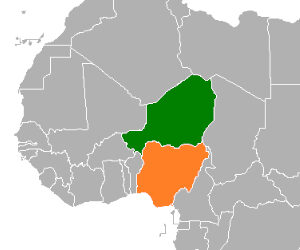
Nigerian president Tinubu under pressure to avoid war with northern neighbor Niger
By Camille Malpat with Aminu Abubakar in Kano, Nigeria: Political leaders in Nigeria are urging President Bola Tinubu...
Morocco: Five years in prison for criticizing King over normalization with Israel
A Moroccan internet user has been sentenced to five years' jail for criticising the king on Facebook over the...
Brief: Nigeria cuts electricity to Niger after coup
Nigeria has cut its electricity supply to Niger after West African neighbours imposed sanctions on the junta that...

Tunisia’s difficult road ahead
By Françoise Kadri: Tunisian President Kais Saied fired his prime minister Najla Bouden without explanation late...
Rights group criticizes Saudi legal system over jailing of Egyptian psychiatrist
An Egyptian psychiatrist jailed in Saudi Arabia was sentenced to prison on terrorism charges following an "unfair...
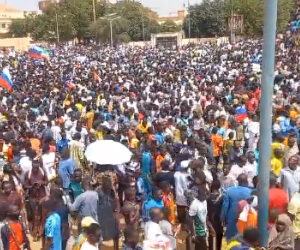
Niger: Coup leaders get popular support amid rising regional tensions
By Boureima Hama with Delphine Touitou: Thousands of people rallied Thursday in Niger's capital in support of the coup...
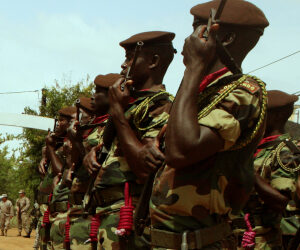
Sahel: West African states getting stressed over coup in Niger, do not rule out military action
Senegal said Thursday that it will participate if the Economic Community of West African States (ECOWAS) decides to...

Tunisia: President fires Prime Minister amid a worsening domestic economy
By Françoise Kadri: Tunisian President Kais Saied sacked Prime Minister Najla Bouden without explanation Tuesday night...
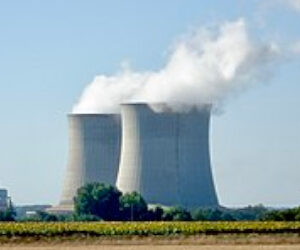
Niger: Nuclear industry in France seeks to appease concerns over Niger’s uranium
The military coup in Niger last week raises the question of Europe's dependency on uranium mined in the West African...
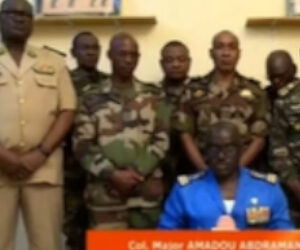
Niger: New leaders launch purge of deposed regime ministers
Four ministers in Niger, a former minister and the head of ousted president Mohamed Bazoum's party have been arrested...
Niger military junta accuses France of plotting counter-coup
By Boureima Hama: Niger's new junta on Monday accused France of seeking to "intervene militarily" to reinstate deposed...
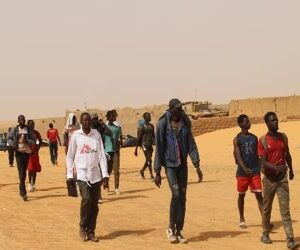
Anti-migrant sentiment in North Africa turns into humanitarian disaster
In the unbearable midday heat, a Libyan patrol near the border with Tunisia comes across a black African man collapsed...
Niger: ECOWAS threatens Niger junta to return power to civilians
African leaders on Sunday gave the junta in Niger one week to cede power or face the possible use of force, and...
Niger: Athletes from Niger struggle to perform in Kinshasa after coup
Nigerien participants in the Francophone Games, which have kicked off in DR Congo's capital, have been left struggling...
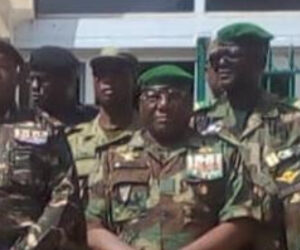
Niger: Army General Abdourahamane Tchiani leads Niger’s new ruling junta
By Boureima Hama: Niger's putschists named an army general as the new leader of the unstable jihadist-hit nation on...
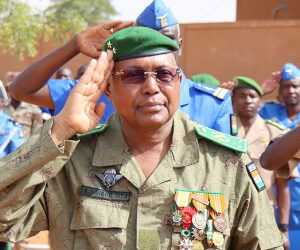
Niger: Army sides with presidential guard in ousting president Bezoum
Niger's armed forces chief on Thursday declared his support for troops who announced they had seized power, despite a...
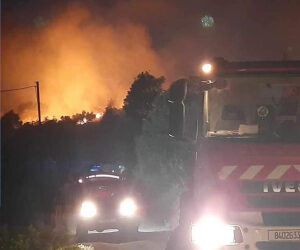
Algeria: Dozens killed in raging wildfires
Algerian firefighters on Tuesday battled blazes that have killed 34 people across the tinder-dry north, destroyed...
Five Moroccan migrants drown off Western Sahara
At least five Moroccans drowned when their boat sank off Western Sahara, a rights group said on Tuesday, as crossing...

Podcast: Sahel: North Mali is bracing for more violence
Mali in the Sahel region is facing unprecedented crises. With the withdrawal of France forces and the upcoming pull...
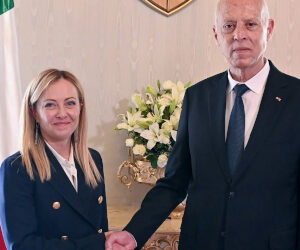
Tunisia: Panic in Europe over Tunisia’s potential economic collapse
By Francoise Kadri: Western nations fear an economic collapse in Tunisia could trigger even greater migrant flows to...
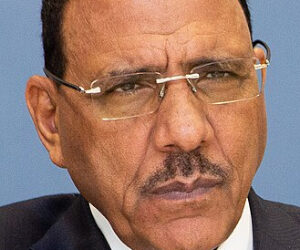
Niger in the footsteps of Mali and Burkina, coup in the offing
The Militarization of the Sahel By Boureima Hama: An attempted coup was underway Wednesday in the Sahel state of Niger...
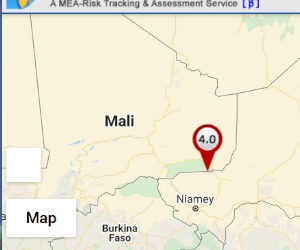
Sahel: Gunmen kill dozen civilians in Niger’s Tillaberi region
Gunmen have attacked two villages in Niger's vast Tillaberi border region, killing a dozen people working in the...
Algeria reacts to Israel’s backing Morocco in Western Sahara conflict
Algeria on Thursday denounced Israel's backing of Morocco's "claimed sovereignty" over the disputed Western Sahara...
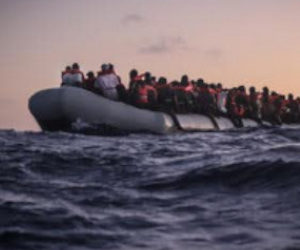
Migrations: New tragedy at sea as 13 migrants from Senegal perish off the coast of Morocco
At least 13 Senegalese migrants from the same town died when their boat sank off the coast of Morocco late last week,...

Egypt: Under intense international pressure, Egypt releases Egyptian-Irish student Patrick Zaki two days after he was sentenced to prison
Egyptian researcher Patrick Zaki and lawyer Mohamed al-Baqer walked out of prison Thursday, relatives said, a day...
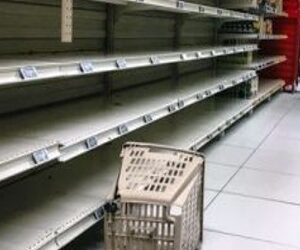
Tunisia: Saudi Arabia offers soft loan and grant to financially-troubled Tunisia
Saudi Arabia on Thursday said it will give Tunisia financial assistance valued at $500 million, including a $100...
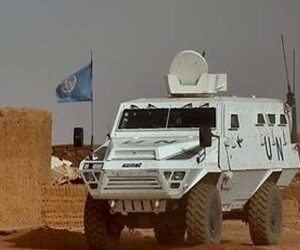
Sahel: Germany and Mali agree ‘smooth’ pullout of UN-backed troops
Germany and Mali agreed Thursday to pursue a "smooth withdrawal" of German troops from the troubled African nation...
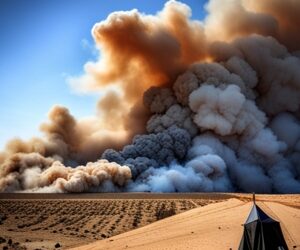
Tunisia: Major blaze erupts on Tunisia-Algeria border, as temperatures soar to 47C
Firefighters in Tunisia are battling a major blaze that has raged for two days in a pine forest near the border with...
Mali: Ethnic Tuaregs brace for attacks from army and Russian mercenaries ($)
By Arezki Daoud: The departure of the French forces and the forthcoming exit from Mali of the UN peacekeeping mission...

The militarization of the Sahel: Governments run by soldiers ($)
By Arezki Daoud: Military regimes now dominate the governments of the Sahel nations. The countries in the region have...
Tunisia and EU negotiate anti-migration strategy ($)
By Arezki Daoud: The European Union wants Tunisia to do more to stem the influx of undocumented migrants into Europe....
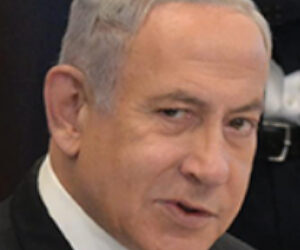
Morocco: Israel’s Netanyahu says Western Sahara belongs to Morocco
Israel has decided to "recognise Morocco's sovereignty" over the disputed Western Sahara region, the royal office in...
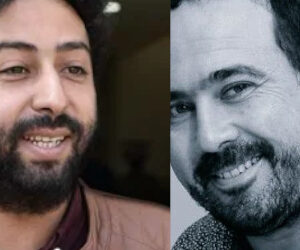
Morocco continues to use judicial harassment against journalists
By Ismail Bellaoualli and Philippe Agret: Morocco's top court has rejected the final appeals of two journalists, Omar...

Egypt: Three years in prison and tortured for allegedly spreading “fake news”
The United States called on Egypt Wednesday to release rights researcher Patrick Zaki, a day after he was sentenced to...
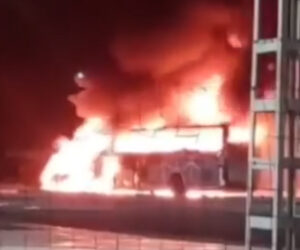
Algeria: 34 killed in bus-truck collision near Tamanrasset
At least 34 people were killed when an Algerian passenger bus collided head-on with a commercial vehicle and burst...
Morocco and Spain arrest two people they say are supporters of Islamic State
Police in Morocco and Spain said on Wednesday two people have been arrested in a joint operation by both countries'...
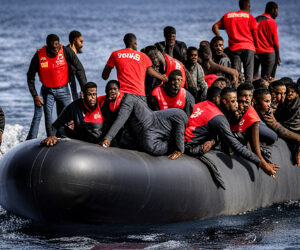
Morocco: Navy rescues 800 migrants trying to get to Spain
Morocco's navy has rescued more than 800 would-be migrants and recovered one body since early last week, state media...
Corruption and war on human rights defenders in Africa
Amnesty International said Tuesday that West and Central African nations must do more to fight corruption and stop...
Sahel: Malian journalist Mohamed Youssouf Bathily acquitted over PM ‘assassination’ claim
A prominent Malian TV and radio journalist was acquitted on Tuesday on charges that he falsely claimed a former...
Migrants: Appalling treatment of migrants by North African governments continues
By Aymen Jamli and Francoise Kadri: The bodies of two migrants have been found in a desert region near Tunisia's...