Season 1, Episode 1
Libya, 2019 Preview
When you think that the destabilization of Libya reached its peak, new development on the ground sinks the country even deeper. The year 2018 was devastating for the Libyan people, and 2019 does not promise any improvement. Listen to a discussion between MEA Risk analysts Arezki Daoud and Alessandro Bruno on what they think Libya is up to.
Listen
The year 2018 ended with all the protagonists entrenched in their respective positions. Western strongman Haftar continuous to wage his war on everyone else, as his eastern rival, Serraj, has become the target of criticism by the members of his administration for ruling without consulting. The promise of an election in December 2018 never materialized and as the year 2019 started, war between heavily armed militias reignited in Tripoli, as Haftar fighter jets are preparing to bomb southwestern Libya. With this backdrop, should we expect a miracle to take place this year?
Hosts & Guests
Arezki Daoud
Alessandro Bruno
Get This Episode
Related Analyses and Podcast Episodes
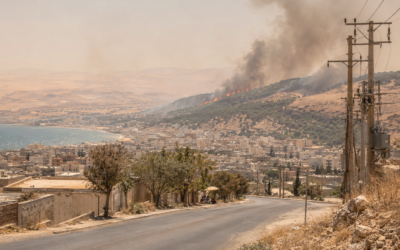
Summer in North Africa: Heat, Fire, and Failing Power Grids
🔒 Subscriber-Only Analysis This in-depth report is reserved exclusively for clients subscribing to The North Africa Journal. 👤 Already a subscriber? Log in here Not a subscriber? Click here for our lowest...
Libya: Washington’s Libya Plan Would Install Haftar’s Son as President. Libya’s Institutions Are Saying No
🔒 Subscriber-Only Analysis This in-depth report is reserved exclusively for clients subscribing to The North Africa Journal. 👤 Already a subscriber? Log in here Not a subscriber? Click here for our lowest...
Libya: Pakistan Steps In as Surprise Broker to Unify Libya
🔒 Subscriber-Only Analysis This in-depth report is reserved exclusively for clients subscribing to The North Africa Journal. 👤 Already a subscriber? Log in here Not a subscriber? Click here for our lowest...
North African Countries Among World’s Cheapest for Gasoline, Lead Global Rankings
🔒 Subscriber-Only Analysis This in-depth report is reserved exclusively for clients subscribing to The North Africa Journal. 👤 Already a subscriber? Log in here Not a subscriber? Click here for our lowest...
Libya: A drifting Russian gas tanker threatens the Mediterranean
🔒 Subscriber-Only Analysis This in-depth report is reserved exclusively for clients subscribing to The North Africa Journal. 👤 Already a subscriber? Log in here Not a subscriber? Click here for our lowest...
Southern Libya Boils Over: Three Haftar Soldiers Killed in Border Raid Near Niger
🔒 Subscriber-Only Analysis This in-depth report is reserved exclusively for clients subscribing to The North Africa Journal. 👤 Already a subscriber? Log in here Not a subscriber? Click here for our lowest...