🔒 Subscriber-Only Analysis This in-depth report is reserved exclusively for clients subscribing to The North Africa...
economy upfront Bound
Algerian Gas Exports to Europe Rise for Fourth Consecutive Month
🔒 Subscriber-Only Analysis This in-depth report is reserved exclusively for clients subscribing to The North Africa...
Egypt Cuts Nighttime Economy to Reduce Electricity Consumption
🔒 Subscriber-Only Analysis This in-depth report is reserved exclusively for clients subscribing to The North Africa...
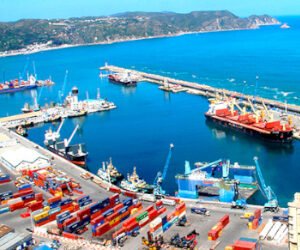
The Maghreb’s Response to U.S. Tariffs and Rising Chinese Influence
U.S. tariffs have not yet affected consumer spending in the Maghreb, but as the tariffs are sending shockwaves through...
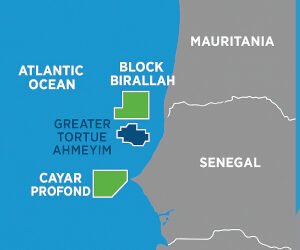
Mauritania and Senegal Launch LNG Exports with First Cargo from Grand Tortue Ahmeyim Project
The first shipment of liquefied natural gas (LNG) from the Grand Tortue Ahmeyim (GTA) project, located offshore...
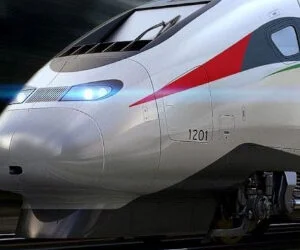
Morocco to pour $3 billion on high-speed trains ahead of World Cup 2030
Morocco is moving full steam ahead with its high-speed train projects ahead of the 2030 FIFA World Cup, which it will...

Algeria Opens First of Five Seawater Desalination Plants to Combat Water Shortages
On Thursday, February 20, 2025, Algeria opened the first of five planned seawater desalination stations, located in...
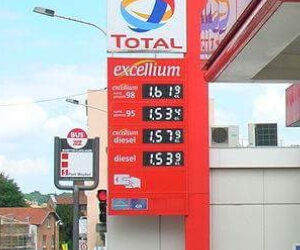
French energy firm TotalEnergies Exits Mali, Sells Operations to Bénin Petro-Backed Firm
TotalEnergies has exited Mali, finalizing the sale of its operations to Coly Energy Mali, backed by Bénin Petro. While...
Tunisia: Stranded Oil Platform off Bizerte: Investigations and Removal Plans Underway
A stranded oil platform off the coast of Bizerte, Tunisia, has prompted investigations and rescue operations involving...

Sahel: Senegal-Mauritania Gas Production Officially Launches
BP has officially launched gas production at the Grand Tortue Ahmeyim (GTA) field, a major cross-border energy project...

Mining Standoffs in the Sahel: Two Companies in the Midst of a Foreign Investor Crisis
By Arezki Daoud - Foreign mining companies in the #Sahel are experiencing a nightmare scenario. Escalating tensions in...

Book: Lafarge Group and the Islamic State
Lafarge’s indictment for financing terrorism reveals corporate entanglements with ISIS to maintain operations in...
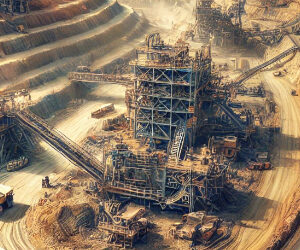
Sahel: Foreign Mining Firms Face Growing Risks as Juntas Assert Control Over Resources
Mining companies that have been operating in the Sahel for a long time are now experiencing a tectonic shift in their...
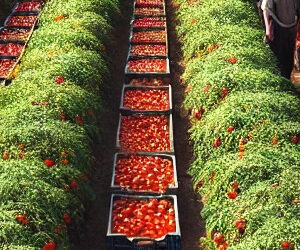
Morocco’s Agriculture Facing Headwinds
Morocco's agricultural sector is a major engine of economic activity. It is also the biggest source of employment,...

Business: Morocco’s attraction to Chinese tea makes it its biggest customer
Moroccans love a good cup of tea. Mint tea is their favorite, and it is often prepared by first brewing green tea and...

Energy: Algeria’s Oil and Gas Ambitions in Niger Makes Trans-Sahara Pipeline More Likely
Algeria is making progress in convincing Niger and Nigeria to go ahead with the construction of the trans-Saharan gas...
Sahel: Tension over unfulfilled Niger fuel delivery to Mali
Niger is the new energy producing hub in the Sahel and as such, it is providing hope for other nations in the region...

Flurry of Major Infrastructure and Energy Projects in West Maghreb

Egypt Gets Massive Injections of Cash, but Outlook is Still Shaky

Drought Disrupts Wheat Sector in Morocco, Uncertainty with French and Russian Supplies

Algeria’s strengthening EU gas market pushes Morocco to look for its own gas

Niger: Rebel group attacks pipeline, warns Chinese contractor to stay clear

Sahel: French company Orano loses operating license of key uranium site in Niger
This followed months of demands for the project’s resumption, which had been stalled. Orano plans to contest this...

Tunisia’s weak economic performance compounded by late data releases
Tunisia’s political system is still compromised, but the economy is showing some signs of minimal recovery. However,...

From a Russian Grain Export Onslaught to a Ban on French Cattle: Agricultural Trade Between France and Algeria in Standstill
Agricultural trade between France and Algeria is experiencing challenges that are primarily affecting French...
Morocco: Price of butane gas to increase by 25% in April
🔒 Subscriber-Only Analysis This in-depth report is reserved exclusively for clients subscribing to The North Africa...

Agriculture: Spanish farmers say Moroccan strawberries carry virus, as Morocco surpasses Spain as tomato supplier to EU

Algeria-Morocco Competition for Regional Influence Shifts to Economic Affairs

Morocco: Consumers to pay more for Netflix, Airbnb and other online services courtesy 2024 state budget
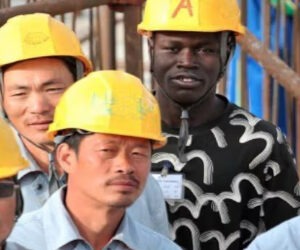
Economy: China’s commitment to Africa is being tested by its stance on the continent’s crippling debt
Trade: Israel-Morocco trade takes a hit amid extreme instability in the Middle East

Energy: US oil companies explore opportunities in Algeria but no deal yet after months of talks
Junior executives of Oxy and Chevron, affiliated with the US-Algerian Business Council (USABC) traveled to Algiers on...
Russia-Africa: From weapon sales to economic ties
By Arezki Daoud: Has the war in Ukraine deter Russia from engagement in Africa? Certainly not! We know on the...
Algeria-Spain: Despite diplomatic disconnect, Algeria-Spain maintain strong energy ties ($)

Egypt’s economy hit hard by Houthis’ attacks on commercial vessels in the Red Sea
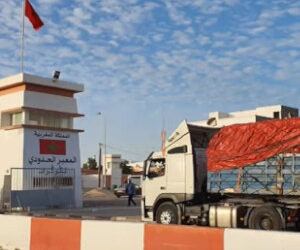
Mauritania: Sudden customs tax increase at border with Morocco jolts food markets in Mauritania
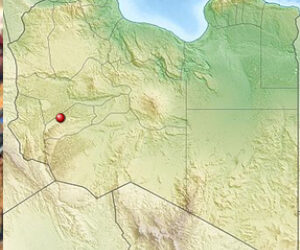
Libya: Protesters force closure of El Sharara oil field over local economics
The North Africa Journal - Protestors seeking social and economic development for the Fezzan region, located in the...
North Africa’s use of drones in the agricultural sector
By Aymen Jamli: A drone buzzed back and forth above rows of verdant orange trees planted near Nabeul, eastern Tunisia....
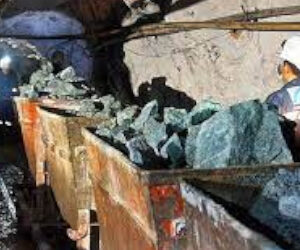
Morocco: Managem denies hazardous levels of arsenic at Bou Azzer cobalt mine
Moroccan mining company Managem, controlled by Morocco's royal family, has refuted allegations linking its mining...
Sahel: Impoverished Niger now has oil but it needs to build a pipeline and circumvent sanctions to export it
The military leaders who took power in Niger this year have commissioned a giant pipeline that will carry crude oil to...
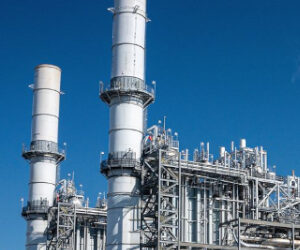
Sahel: Russia to build nuclear power plant in Burkina Faso
Burkina Faso's junta-led government signed a deal with Russia on Friday for the construction of a nuclear power plant...
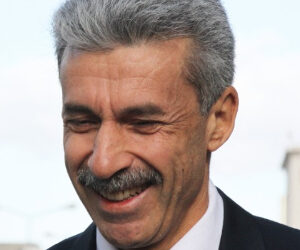
Tunisia’s economy minister sacked amid unprecedented financial crisis
Tunisian President Kais Saied sacked the economy minister on Tuesday and appointed the finance minister to the role on...