



A new legislative proposal in Tunisia has triggered strong opposition from women’s rights advocates, who argue that...
1shorts Bound
Algeria and Niger Restore Ties, Signaling a Shift in Sahel Diplomacy
After nearly a year of tensions, Algeria and Niger have formally reset their relationship. On February 12, 2026, both...
French Interior Minister Renews Dialogue with Algeria
By Mondafrique: Initially scheduled for December 2025 and postponed a second time in January, the long-awaited visit...
West Africa’s New Rulers Use the Same Same Old Playbook of Their Predecessors
Cameroon’s election aftermath is fueling more street violence, Côte d’Ivoire’s political prospects remain stuck in...
Libya: NOC Expands Exploration as Libya Targets 1.6 Million Barrels by 2026
Libya is pressing ahead with a broad-based energy revival that combines renewed foreign exploration, fresh domestic...
Morocco: Forces Drive Morocco’s 2026 Budget: Security Recruitment Leads Job Creation Push
Morocco’s 2026 draft Finance Bill sets out one of the country’s most ambitious recruitment plans in years, creating...
Egypt’s Debt Diplomacy: How Brussels Became Cairo’s Latest Creditor of Confidence
When European and Egyptian leaders convened in Brussels for their first‑ever EU–Egypt Summit on 22 October 2025, the...
Algeria Widens Anti-Corruption Crackdown, From Trade Ministry to Waste Agency
Algeria’s judiciary has recently unveiled two major corruption cases, highlighting widespread misconduct across key...
Mali’s Energy Collapse Deepens as Fuel Blockade and Infrastructure Decay Converge
Mali’s capital has grown quieter in the dark. Across Bamako and beyond, entire neighborhoods now spend long nights...
Mali: Bamako Strikes Back as JNIM Expands Its Rule
Over one turbulent weekend in mid‑October 2025, Mali’s army announced a series of airstrikes against jihadist...
Sahel: Three Sahel States Join Forces in Northern Mali Offensive
Joint counterterrorism forces from the Alliance of Sahel States (AES) have carried out a precision operation in...
Morocco Strengthens Global Standing with Record Tourism Growth
Morocco’s tourism sector continues its post-pandemic climb, welcoming 15 million visitors between January and...
Algeria Pushes for Ambitious Cashless Economy by 2028
Algeria says it will transition to a completely cashless economy by 2028, according to an official plan led by the...
Morocco’s Youth Protests Regain Momentum, Calls for Reform Ahead of 2025 Africa Cup
Morocco’s youth-led protest movement, GenZ212, returned to the streets on Saturday, October 18, after a short pause,...
Sahel: The Demographic Tide Reshaping Mali’s Regional Balance
Mali is on the cusp of a demographic transformation. According to new projections from the country’s National...
Tunisia: Protests in Gabès Over Pollution and Repression
Over the past week, Gabès, in Tunisia, has seen a dramatic escalation in social unrest centered on anti-pollution...
Algeria: Diphtheria Death Sparks Outbreak Fears in Skikda
The province of Skikda is experiencing anxiety after the announcement on Thursday of a death caused by diphtheria....
Egypt’s Red Sea Crisis Intersects with U.S. Trade Strategy in Global Infrastructure Rivalry
Egypt’s foreign minister warned last week that Houthi attacks on commercial shipping in the Red Sea have cost the...
Sahel: Fever Outbreak Overwhelms Mauritanian Hospitals
Hospitals in Mauritania are under growing strain as an outbreak of an unidentified fever spreads through the country’s...
Africa: New Warning of Evolving Hybrid Threats Linking Terrorism, Crime, and Climate Pressures Across Africa
At a recent Mediterranean Dialogues Forum in Naples, Mauritania’s Foreign Minister Mohamed Salem Ould Merzoug...

Washington Returns to Libya’s Frontlines in Bid to Counter Russia and Reunify Militias
U.S. Africa Command (AFRICOM) has announced that Libya, long divided between rival political and military factions,...
Egypt Draws a Red Line on Nile Rights in GERD Dispute
Egypt is insisting that Nile water security is an uncompromising national priority, with the country’s leadership...
France Signals a Thaw in Its Rift with Algeria
France has signaled a possible thaw in its strained relationship with Algeria after several tense months marked by...
Egypt’s Fuel Price Hike Deepens Economic Strain Amid IMF Reforms
Egypt has raised domestic fuel prices sharply as part of a multi-faceted effort to stabilize the country's economy...
Algeria and Tunisia Expand Military Cooperation Amid Regional Security Tensions
In a move reflecting the deepening security alignment between Algeria and Tunisia, the two neighbors signed a new...
Mauritania: Water Scarcity Sparks Protests in Chami
Residents of Chami, a mining hub in western Mauritania, have taken to the streets to protest severe and prolonged...
Mauritania Battles Dual Outbreaks Amid Sahel’s Shifting Climate
Mauritania is contending with concurrent outbreaks of diphtheria and Rift Valley fever that have left at least 36...
Madagascar: “Mamy” Ravatomanga, billionaire, vice-king, and protester target
A profile by Olivier Vallée and Nicolas Beau [MondAfrique]: Maminiaina Ravatomanga, “Mamy,” is a wealthy businessman...
Sahel Displacement Hits 4 Million: UN Warns of Growing Crisis
By MondAfrique: On October 10, the United Nations High Commissioner for Refugees (UNHCR) sounded the alarm: around 4...
Morocco: GenZ212 Makes Tactical Pause in the Fight for Reforms
The GenZ212 protest movement in Morocco, which emerged following the deaths of eight women in an Agadir hospital, has...
Algeria: Retailleau’s Departure Opens Door to a Possible Reset in France–Algeria Ties
The departure of France’s interior minister Bruno Retailleau marks a substantial moment against the backdrop of...
Africa: Visa Bonds Up to $15,000 From October 23: New U.S. Policy Targets Travelers from Africa
Beginning October 23, 2025, citizens of seven African countries seeking business or tourist visas to the United States...
Sonatrach Signs $5.4 Billion Exploration Deal With Saudi Firm Midad Energy
Algeria’s state-owned energy company Sonatrach has signed a $5.4 billion exploration and production agreement with...
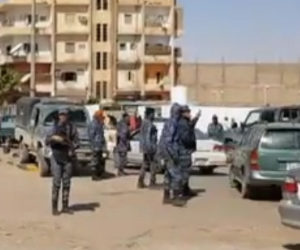
Libya’s Path to Stability: Still Blocked by Fragmentation and Armed Rivalries
Libya closes 2025 still caught in a web of armed rivalries, political fragmentation, and recurring violence that...

Sahel: Surging Jihadist Violence Batters the Sahel, Exposing Government Weakness
By Arezki Daoud: A surge in jihadist violence has rocked the Sahel region through late September and early October...
Depression: Tunisia, Morocco, and Libya Among Africa’s Highest Prevalence Countries
North Africa is facing an acute mental health challenge, with three of its countries—Tunisia, Morocco, and...
Algeria’s 2026 Budget Plan: Spending Rises with Emphasis on Salaries, Subsidies, and Investment
Algeria’s draft finance law for 2026 marks a significant increase in public expenditure, with total spending projected...
Tunisian SMEs Warn of Economic Paralysis Over 20% Bank Guarantee Rule
A new rule requiring small and medium-sized Tunisian businesses to provide a 20% bank guarantee for service contracts...
Morocco Boosts Russian Oil Imports Despite Sanctions
Morocco increased its imports of Russian petroleum products in August, defying ongoing Western sanctions on Russian...
Tunisia: Diaspora Funds Provide Lifeline for Tunisia’s Economy
Remittances from Tunisians living abroad reached 6.5 billion dinars (approximately $2.05 billion USD) by the end of...
Mali: Ongoing Attacks Prompt Longer Curfew in Western Mali
Authorities in Mali have extended the curfew in Kayes for another month, following a series of violent attacks...
Northwest Africa’s Fishing Crisis Intensifies
In Nouadhibou, Mauritania’s bustling fishing hub, the docks don’t hum the way they once did. Factories that once...

Why Morocco’s Protests Aren’t Just About Youth: The Fight for Dignity and Justice
Transcript Morocco is once again at the center of deep civil unrest, drawing international attention—not least from...