🔒 Subscriber-Only Analysis This in-depth report is reserved exclusively for clients subscribing to The North Africa...
Tunisia Bound
Tunisian Equity Market Posts Record Gains in 2025
🔒 Subscriber-Only Analysis This in-depth report is reserved exclusively for clients subscribing to The North Africa...
Rights Groups Warn of Widening Restrictions on Freedoms in Tunisia
🔒 Subscriber-Only Analysis This in-depth report is reserved exclusively for clients subscribing to The North Africa...
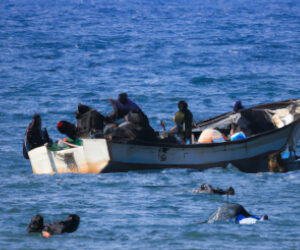
Tunisia: Body of young girl found after migrant ships sink off the coast of Sfax
The Tunisian coastguard Friday recovered the body of a young girl thought to have drowned when two vessels carrying...
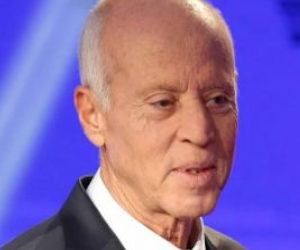
Tunisia’s president considering taxing the wealthy to prevent IMF meddling
Tunisia's President Kais Saied on Thursday proposed taxing the North African country's wealthiest citizens as a way of...
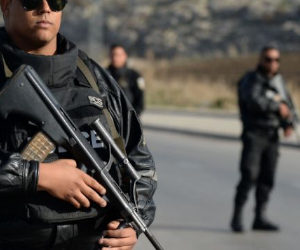
Tunisia says it arrested five “IS militants” in Sfax
Tunisia's national guard on Friday announced the arrest of a suspected Islamic State group member in possession of...
Tunisia arrests two students for a song critical to police, then releases them under presidential pressure
A Tunisian court on Thursday released two students arrested earlier this week for a song criticising police, shortly...
Tunisian president evokes ‘tolerance’ after synagogue attack
Tunisian President Kais Saied has hosted Jewish, Muslim and Christian leaders following a deadly mass shooting outside...
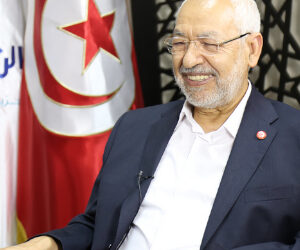
Tunisia: Senior opposition figure Rached Ghannouchi gets one year in prison, as president moves to authoritarianism
The Tunisian Islamist-inspired Ennahdha party on Tuesday condemned the one-year prison sentence handed to its leader...
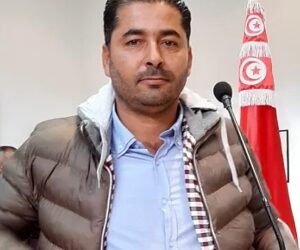
Tunisia pushes for more judicial harassment against the media, arrests journalist Khalifa Guesmi
A Tunisian appeals court has handed a five-year jail term to a radio journalist for disclosing information about the...
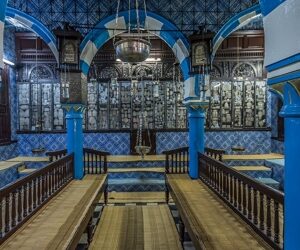
Tunisia: Five killed in terror attack on Jewish community in Djerba
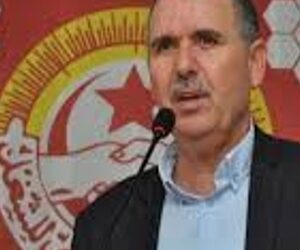
Tunisia: UGTT union chief rejects talks with IMF in fear of tough austerity measures
Tunisia's largest union on Monday attacked the government's handling of negotiations with the IMF on a loan to bail...
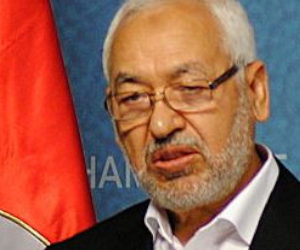
Tunisian court orders detention of leading Islamist opposition figure Ghannouchi
Tunisian opposition leader Rached Ghannouchi has been remanded in custody following his arrest earlier this week, his...
Fifteen Tunisian migrants missing in Mediterranean
Fifteen Tunisian migrants are missing after their boat sank in the Mediterranean during an attempt to reach Europe,...
Tunisia: Profile of jailed opposition leader Rached Ghannouchi
Islamist-inspired Ennahdha opposition party arrested on Monday, once towered over Tunisia's politics but many now...
Tunisia arrests opposition leader Ghannouchi, shuts offices of Ennahdha party
Tunisian authorities closed the offices of Islamist-inspired opposition party Ennahdha on Tuesday, a day after...
Migrations: 32 migrants perish off the coast of Tunisia
The death toll after a boat carrying sub-Saharan migrants sank off Tunisia this week rose to 32 on Friday after...
Tunisia: Football star Nizar Issaoui sets himself alight to protest police brutality
A professional footballer in Tunisia has died after setting himself alight earlier this week in what he called a...
Tunisia wants more help from Europe, despite worrying policies of President Saied
Tunisia on Monday called for "constructive discourse" from the European Union after a string of leaders warned the...
Tunisia: Growing concern in Washington over Tunisia’s political and economic struggles
US Secretary of State Antony Blinken warned Wednesday that Tunisia urgently needs to reach a deal with the IMF, adding...
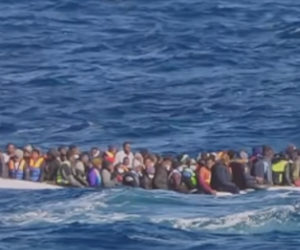
Migrations: Five migrants die off the coast of Tunisia, Algeria disbands smuggling gang
Five migrants from sub-Saharan Africa drowned and another 28 were missing Wednesday after their boat capsized off...
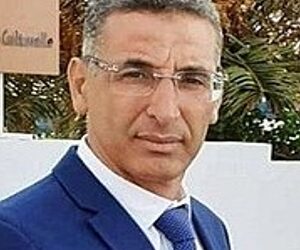
Tunisia’s interior minister Taoufik Charfeddine resigns
Tunisian interior minister Taoufik Charfeddine, a close aide of President Kais Saied, announced Friday he had resigned...
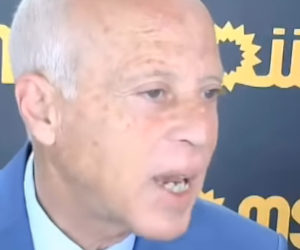
Tunisia: European Parliament lashes out at Tunisian president over his “authoritarian drift”
The European Parliament on Thursday decried Tunisian President Kais Saied's "authoritarian drift" and called for the...
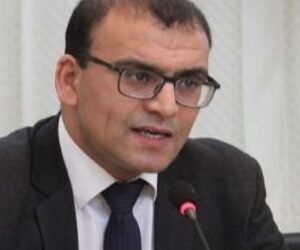
Tunisia arrests spokesman of moderate Islamist party Ennahdha
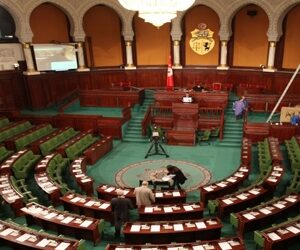
Tunisia now has a rubber-stamping parliament
Tunisia: President dissolves elected municipal councils
Tunisian President Kais Saied on Thursday moved to dissolve the country's elected municipal councils, seen as a key...
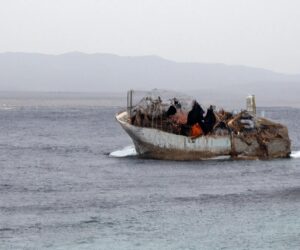
Tunisia: Migrants drown off the coast of Sfax
Fourteen migrants from sub-Saharan Africa have drowned off the coast of the Tunisian city of Sfax, the coastguard said...
Tunisia: Interior Minister Taoufik Charfeddine calls media and politicians “traitors”
Unions and rights groups demanded an apology from Tunisia's interior minister on Wednesday after he lashed out at...
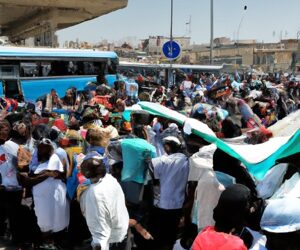
Tunisia: President’s racist speech sparks violence against migrants
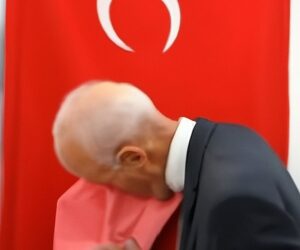
Tunisia: World Bank suspends new lending to Tunisia after President Saied issued racist comments
By Paul Raymond: The World Bank has effectively suspended new lending to cash-strapped Tunisia after President Kais...
Tunisian regime accuses former head of Truth and Dignity Commission of falsifying report
Tunisia: Protesters demand release of political prisoners
Tunisia in damage control campaign after president’s remarks on migrants
By Ezzedine Said: Tunisia's top diplomat sought to "reassure" sub-Saharan African migrants on Monday, in an interview...
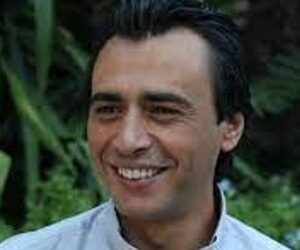
Tunisia arrests secular opposition politician Jawhar Ben Mbarek
Tunisia: Presidential ‘hate speech’ on migrants causes public outcry
Tunisia: Judicial harassment against former Parliamentary Speaker Rached Ghannouchi intensifies
Tunisia: Police call head of dissolved opposition party Ennahdha for more questioning
The head of Tunisia's dissolved parliament is facing a new police inquiry, his Islamist-inspired Ennahdha party said...
Tunisia: Attacks against trade union leaders could backfire on beleaguered President Kais Saied
Dozens of Tunisian civil society organisations,parties and political figures on Thursday voiced their "full support"...
Tunisia foreign minister Othman Jerandi fired
Tunisian President Kais Saied on Tuesday fired the country's top diplomat -- the fourth minister to lose his post this...
Tunisia reopens case of two politicians murdered ten years ago
Tunisia: Government of Kais Saied now targets trade union leaders
A powerful Tunisian trade union Wednesday condemned the arrest of one of its top officials, saying it was linked to...
Most Arab leaders were no-show in regional meeting in Libya, unwilling to deal with Tripoli
Major Arab states boycotted a ministerial meeting hosted by Libya's interim government on Sunday, with just five of...