



Season 1, Episode 5
The Sahel 1Q2019 Update
Things are moving fast in the Sahel. Libya’s LNA southwestern offensive has increased instability in parts of the Sahel and the Sahara. In Mali, insurgencies and war are accelerating. And in Nigeria, Boko Haram and its sponsor, IS, are wrecking havoc. Arezki Daoud and Alessandro Bruno of MEA Risk LLC hold an unscripted chat on all of that.
Listen
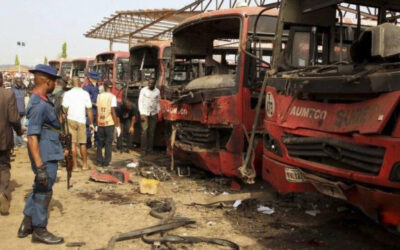
The situation in the Sahel is getting worse. Efforts from Libya’s LNA to clean up the country’s southwestern regions, anchored in the Sahel zonem and near the Libya-Algeria border adds more trouble to Algeria’s military, and pushes insurgents and foreign militants to the Chad. In Mali, there has been an escalation of violence, with killings from insurgencies and communal wars dominating the landscape. Northeastern Nigeria is set to become another exporter of terror to the Sahel, as Boko Haram is reorganizing and pushing the populations of Lake Chad to move to the Sahel. Northwest Nigeria is not secure either, with bandits wrecking havoc on the populations stretching from almost central Nigeria to into Niger Republic.
Hosts & Guests
Arezki Daoud
Alessandro Bruno
Get This Episode
Related Analyses and Podcast Episodes
Sahel: Niger Emerges as Key Battleground as JNIM and Islamic State Collide
🔒 Subscriber-Only Analysis This in-depth report is reserved exclusively for clients subscribing to The North Africa Journal. 👤 Already a subscriber? Log in here Not a subscriber? Click here for our lowest...
The Nigeria Precedent: Why Degrading One Group Won’t Secure Mali
🔒 Subscriber-Only Analysis This in-depth report is reserved exclusively for clients subscribing to The North Africa Journal. 👤 Already a subscriber? Log in here Not a subscriber? Click here for our lowest...
Sahel: How Gold and Jihadist Violence Are Redrawing the Guinea-Mali Border
🔒 Subscriber-Only Analysis This in-depth report is reserved exclusively for clients subscribing to The North Africa Journal. 👤 Already a subscriber? Log in here Not a subscriber? Click here for our lowest...
Behind the Algeria-Mali Rapprochement: Security, Trade and a Sahel Reorder
🔒 Subscriber-Only Analysis This in-depth report is reserved exclusively for clients subscribing to The North Africa Journal. 👤 Already a subscriber? Log in here Not a subscriber? Click here for our lowest...
North Africa and the Sahel on Alert Over Locust Upsurge
🔒 Subscriber-Only Analysis This in-depth report is reserved exclusively for clients subscribing to The North Africa Journal. 👤 Already a subscriber? Log in here Not a subscriber? Click here for our lowest...
Mali’s Jihadist-Separatist Alliance Pushes Toward Anéfis as Fighting Enters Its Sixth Day
🔒 Subscriber-Only Analysis This in-depth report is reserved exclusively for clients subscribing to The North Africa Journal. 👤 Already a subscriber? Log in here Not a subscriber? Click here for our lowest...
Mali: Bamako Under Siege
🔒 Subscriber-Only Analysis This in-depth report is reserved exclusively for clients subscribing to The North Africa Journal. 👤 Already a subscriber? Log in here Not a subscriber? Click here for our lowest...
Mali: After Kidal, The War Comes to Bamako
🔒 Subscriber-Only Analysis This in-depth report is reserved exclusively for clients subscribing to The North Africa Journal. 👤 Already a subscriber? Log in here Not a subscriber? Click here for our lowest...
Mali: Russian-linked Forces Under Drone Pressure in Northern Mali
🔒 Subscriber-Only Analysis This in-depth report is reserved exclusively for clients subscribing to The North Africa Journal. 👤 Already a subscriber? Log in here Not a subscriber? Click here for our lowest...
Niger Turns to Local Self-Defense Units to Contain Growing Insecurity
🔒 Subscriber-Only Analysis This in-depth report is reserved exclusively for clients subscribing to The North Africa Journal. 👤 Already a subscriber? Log in here Not a subscriber? Click here for our lowest...
West Africa: Jihadist Attacks Intensify in Northern Benin Amid Cross-Border Insurgency Pressure
🔒 Subscriber-Only Analysis This in-depth report is reserved exclusively for clients subscribing to The North Africa Journal. 👤 Already a subscriber? Log in here Not a subscriber? Click here for our lowest...
Desert Locusts Stir Fresh Worries in North-West Africa
🔒 Subscriber-Only Analysis This in-depth report is reserved exclusively for clients subscribing to The North Africa Journal. 👤 Already a subscriber? Log in here Not a subscriber? Click here for our lowest...


