the Algerian crisis
Algerian military leaders in state of panic, pushing for violence
The Algerian military has lost its capability to maintain a reasonable level of objectivity. Its senior command, directed by General Gaid Salah, is now in intense panic mode after it failed to abort the ongoing anti-government protests. Such panic mode translates into an extremely dangerous situation that risks not only to destroy the Algerian Republic, but it could turn the Algerian territory into another focal point for outside forces, from the likes of the UAE to the Jihadists, where they would wage another of their proxy wars. And we now have the Libyan template as a clear indication of what can happen should Gaid Salah and his Generals continue on this road.
Listen to MP3 with no video
Download the MP3 file here
To listen on the go, feel free to download the MP3 file
The Algerian military command has done everything it could to undermine the peaceful nature of the protest movement. But everything they used so far did not work, as it did not elicit a violent response by the Algerian people as the hopped, to justify sending military troops to the street.
Listen to our podcasts in global platforms
On the Same Topic
Algeria-France Trade Drops 23% with Import and Energy Curbs
Trade between Algeria and France fell by roughly 23% in the year ending June 2026, dropping below €9 billion as import controls and political tensions reshape the relationship. Algeria’s tighter oversight of foreign purchases has sharply reduced French exports—particularly in food, automotive equipment, and industrial goods—while energy-driven exports to France also declined. The figures point to a broader shift as Algeria diversifies suppliers and reduces reliance on its former primary trading partner.
Algeria is Experiencing a Severe Wildfire Crisis
Algeria has recorded 1,619 fires since a heat wave began July 8, including 538 forest fires and six deaths, with 53 blazes still active as of July 22. Officials are calling the outbreaks “sixth-generation” fires — fast-moving and unusually difficult to control.
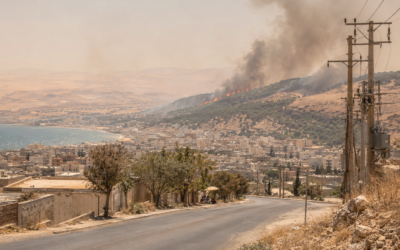
Summer in North Africa: Heat, Fire, and Failing Power Grids
Extreme heat is gripping Morocco, Algeria, Tunisia, Egypt, and Libya at once, with wildfires spreading across Algeria and power grids buckling under demand in Egypt. Regional meteorologists say the pattern reflects a longer-term warming trend rather than a single bad summer.
Behind the Algeria-Mali Rapprochement: Security, Trade and a Sahel Reorder
A tactical thaw in the Sahel is reshaping Algeria’s ties with Mali, but the deeper conflict over northern Mali remains unresolved.
Algeria: New Record for Electricity Demand Amid Brutal Heat Wave
Algeria has set a new record for electricity demand as a punishing heat wave drives temperatures close to 49°C and wildfires burn across multiple regions. The state utility Sonelgaz says power use climbed above 21,300 megawatts on July 13, continuing a steep, year‑over‑year rise in summer load on the grid.
North Africa and the Sahel on Alert Over Locust Upsurge
FAO monitoring shows Northwest Africa entering a new phase of desert locust activity, with Morocco facing the highest pressure and neighboring countries preparing for possible summer migrations toward Sahelian breeding zones.