



A new legislative proposal in Tunisia has triggered strong opposition from women’s rights advocates, who argue that...
Tunisia Bound
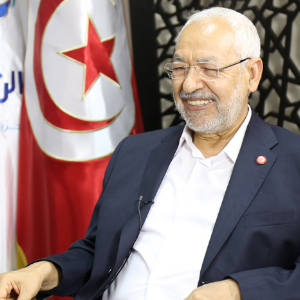
Tunisia Appeals Court Extends Rached Ghannouchi’s Prison Term by 20 Years
A court of appeals in Tunis has sharply increased the prison sentence handed to Rached Ghannouchi, the 84-year-old...
Cyclone Harry’s Hidden Toll: NGOs Fear Up to 1,000 Migrants Lost at Sea
Humanitarian groups say the death toll from January’s Central Mediterranean storms may be far higher than official...
Europe’s New Migration Rules Shift Pressure South to North Africa
The European Union’s revised migration framework, set to take effect in mid-2026, is already reshaping how migration...
Tunisia: Leading Labor Union in Turmoil
The possible resignation of Noureddine Tabboubi, the general secretary of the UGTT (Tunisian General Labor Union), is...
Tunisian Equity Market Posts Record Gains in 2025
Despite the unsettling political realities of Tunisia, the country's equity market closed 2025 with one of its...
Rights Groups Warn of Widening Restrictions on Freedoms in Tunisia
The Tunisian League for Human Rights has issued a stark assessment of the country’s political and civil trajectory,...
Tunis Appeals Court Upholds Prison Sentence Against Opposition Leader Abir Moussi
A Tunis appeals court has upheld a two-year prison sentence against opposition figure Abir Moussi, confirming an...
North Africa Tests the Limits of Ride-Hailing as Uber Returns Under Tight Control
Morocco is once again testing the boundaries of app-based urban transport, reopening a politically sensitive debate...
Tunisia Shows Measured Economic Stabilization After Years of Strain
After several years of economic strain, Tunisia showed signs of gradual stabilization over the past 24 months. While...
Tunisia: Supporters Rally in Tunis to Back the President and Reframe Tunisia’s Uprising
Thousands of supporters of Tunisia’s president gathered in central Tunis this week in a show of political support that...
Business: Chinese Logistics Platform Scouts Tunisia As Africa Gateway
Wuhan Yangluo Port Services, a Chinese state-linked entity active across trade, logistics, finance, and investment,...
Tunisia’s Main Union Calls Nationwide Strike Amid Political Tensions
Tunisia’s main trade union federation has called for a nationwide general strike on January 21, 2026, to protest...
Washington Initiates Review Process for Possible Terrorism Designations of Muslim Brotherhood Branches
U.S. President Donald Trump announced on 23 November 2025 that his administration has initiated a formal review to...
Tunisia: Wage Dispute Triggers Widespread Bank Shutdowns in Tunisia
Thousands of employees in Tunisia’s banking, financial, and insurance sectors observed a remote strike on Monday and...
Tunisia: Economic Pressures Erode Household Purchasing Power
A recent Fitch Solutions report, “Consumption and Household Income in Tunisia,” published October 22, 2025, finds that...
Tunisia: Pollution Uprising in Gabès Turning Into Sustained Protest Movement
MondAfrique: Gabès' fight against pollution has reached historic levels, turning into a sustained protest movement...
Tunisia: Protests in Gabès Over Pollution and Repression
Over the past week, Gabès, in Tunisia, has seen a dramatic escalation in social unrest centered on anti-pollution...
Algeria and Tunisia Expand Military Cooperation Amid Regional Security Tensions
In a move reflecting the deepening security alignment between Algeria and Tunisia, the two neighbors signed a new...
Depression: Tunisia, Morocco, and Libya Among Africa’s Highest Prevalence Countries
North Africa is facing an acute mental health challenge, with three of its countries—Tunisia, Morocco, and...
Tunisian SMEs Warn of Economic Paralysis Over 20% Bank Guarantee Rule
A new rule requiring small and medium-sized Tunisian businesses to provide a 20% bank guarantee for service contracts...
Tunisia: Diaspora Funds Provide Lifeline for Tunisia’s Economy
Remittances from Tunisians living abroad reached 6.5 billion dinars (approximately $2.05 billion USD) by the end of...
Tunisia: Armed Militias Attack the UGTT
By MondAfrique: On Thursday, August 7, 2025, unidentified groups attempted to forcefully enter the Tunisian General...
Tunis’ Crumbling Infrastructure: 1,500 Buildings Deemed At Risk of Collapse
Tunisia’s capital region faces a mounting urban safety crisis as officials warn of structural risks to residents In...
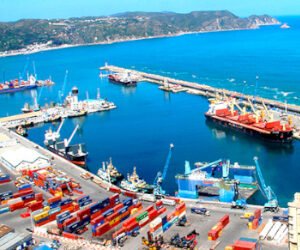
The Maghreb’s Response to U.S. Tariffs and Rising Chinese Influence
U.S. tariffs have not yet affected consumer spending in the Maghreb, but as the tariffs are sending shockwaves through...

Tunisia’s Opposition Faces Mounting Legal Pressure
Government actions against opposition figures continue to dominate the political landscape in Tunisia. This week and...
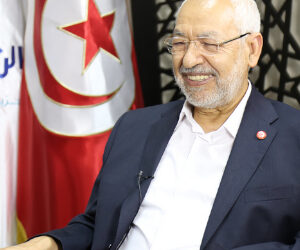
Tunisia: Opposition Politicians and Journalists Sentenced to Lengthy Prison Terms
[sw-youtube-embed id="cdJU5sFbs7A"] Tunisian president Kais Saied continues to crack down on the opposition and has...
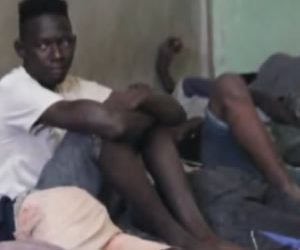
EU Report Accuses Tunisia of Migrant Trafficking to Libya
A report, presented to the European Parliament on January 29 by a group of researchers, accuses Tunisia of deporting...
Tunisia Detains Russians Tourists on Suspicion of Terrorism
Eleven Russians arrested in Tunisia in late 2024 are suspected of terrorism. AFP says authorities claim they possessed...
Tunisia: Stranded Oil Platform off Bizerte: Investigations and Removal Plans Underway
A stranded oil platform off the coast of Bizerte, Tunisia, has prompted investigations and rescue operations involving...

Elections in North Africa: No Excitement Ahead, No Change in Course
It’s a big political year worldwide. Many countries have already experienced or will have elections this year, and...

North Africa Confronted with New Security Concerns
Security issues in North Africa have been in the news recently. There is news coverage in Spain about Morocco stepping...

Tunisia’s weak economic performance compounded by late data releases
Tunisia’s political system is still compromised, but the economy is showing some signs of minimal recovery. However,...
Brief: Tunisia: The Lazy Governors
Funny news this week from Tunisia where the Presidency of the Republic announced the dismissal of two governors. They...
Tunisia’s Slide Toward Autocracy: The Erosion of Democratic Institutions
By Arezki Daoud | Photo: Abir Moussi: Tunisia has been experiencing a fast moving drift towards autocracy, marked by...
22 Islamist militant suspects arrested in Tunisia ($)

Tunisia: Journalist Zied El-Heni released from jail, gets six-month suspended sentence
Tunisian journalist El-Heni was released from prison on Wednesday, 10 January 2024, but he was given a six-month...
Tunisia: Phosphate company signals recovery after a three-year decline (S)
Tunisia neutralizes human smugglers
The Tunisian police reported on January 7, 2024 the dismantling of an alleged human trafficking network in the Sfax...
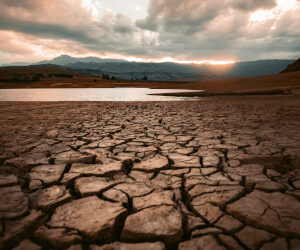
Drought is pushing North African economies to the brink and to social unrest
Drought is wreaking havoc on North Africa’s water supply and on its agriculture. All countries in the region are...
Tunisia: Three workers assigned to historic World Heritage wall in Kairouan killed after wall collapsed
A section of the historic walls around the Old City of Kairouan collapsed on Saturday, killing three masons carrying...
North Africa’s use of drones in the agricultural sector
By Aymen Jamli: A drone buzzed back and forth above rows of verdant orange trees planted near Nabeul, eastern Tunisia....
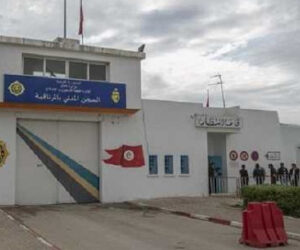
Tunisia: Prison escape rattles President Saied
Tunisia's president said Wednesday that the escape of five prisoners convicted of "terrorism" was a well-planned...